




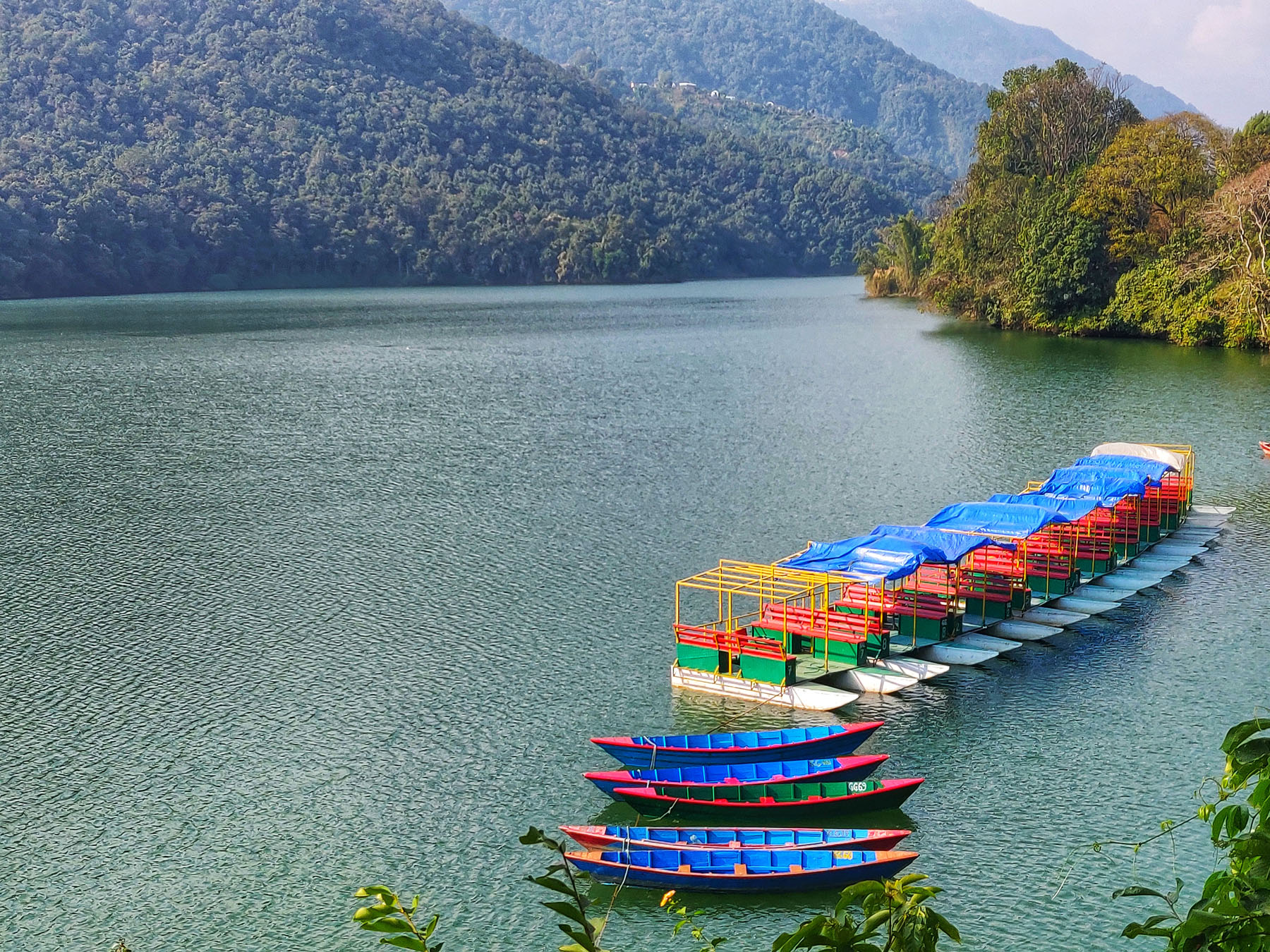
POKHARA: The ongoing demarcation process of Fewa Lake, a major tourist attraction in Pokhara, has stirred intense debate among local tourism entrepreneurs, government bodies, and conservation advocates.
The slogan “No Lake, No More Lakeside” is now visibly displayed across Lakeside intersections, reflecting the critical importance of the lake to Pokhara’s tourism industry.
Tourism in Lakeside began decades ago, inspired by the view of Mount Machhapuchhre reflected on the tranquil waters of Fewa Lake. Despite its central role in the local economy, stakeholders have long been accused of neglecting the lake’s conservation. At one point, even renowned hotels were found discharging sewage into the lake and using its water for bathing without proper treatment.
Although the lake is still popular for traditional boats, kayaking, and the iconic Tal Barahi temple, little has been done—either by the government or the private sector—to enhance its beauty or preserve its ecosystem. Blame has shifted among local, provincial, and federal governments, while rapid and unregulated development in the lake’s watershed area continues to threaten its sustainability.
Despite multiple court orders over the past decades to protect the lake from human encroachment, implementation has remained sluggish.
The Supreme Court previously instructed authorities to define and demarcate the lake’s boundaries. In response, the Gandaki Province Government and Pokhara Metropolitan City launched a study to determine the “high flood area”—the maximum area the lake can occupy during peak water levels.
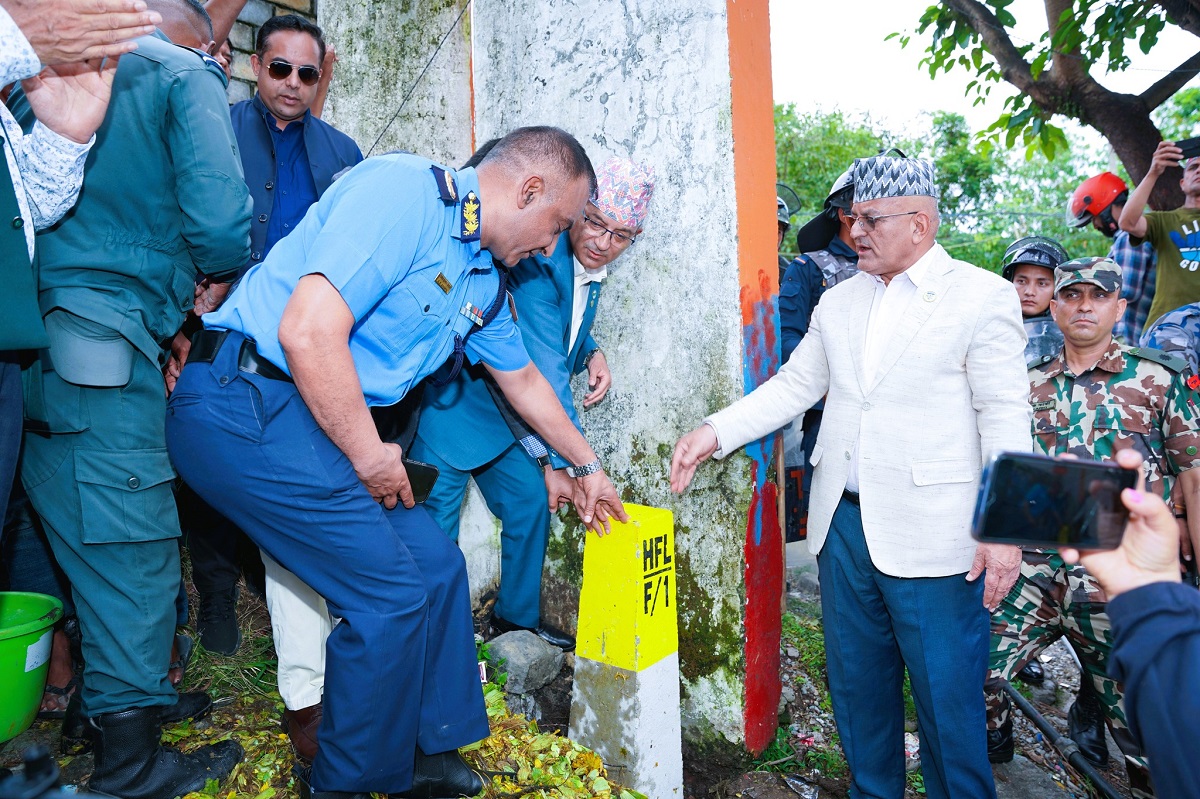
Based on the study, poles have been installed to mark a 65-meter buffer zone around the lake, though only about 200 poles have been placed so far due to protests.
The demarcation process has caused division among tourism-related organizations in Pokhara. The Pokhara Tourism Council has strongly opposed the 65-meter rule, claiming it undermines the tourism business, local livelihoods, and property rights. In contrast, the Hotel Association of Gandaki Province and the Hotel Association Pokhara have welcomed the initiative, calling it essential for the lake’s long-term preservation.
In a joint statement, the hotel associations stressed that Fewa Lake is not just a local asset but a national treasure. They highlighted that over Rs 500 billion has been invested in Pokhara’s tourism industry, primarily centered around the lake. They called for fair compensation to affected landowners and businesses, based on current market value—not just government-assessed rates—and demanded proper management for businesses that may need to be relocated.
“The claim that protecting Fewa Lake threatens Pokhara’s tourism is misleading. It is unfortunate that some landowners are inciting opposition for personal gain,” read the joint statement signed by Hari Sharma Gaire, President of the Gandaki Hotel Association, and Laxman Subedi, President of the Pokhara Hotel Association.
Meanwhile, the Pokhara Tourism Council accused the authorities of carrying out the demarcation without proper coordination among the three tiers of government. It criticized the government for ignoring previously installed boundary markers and for failing to provide compensation as mandated by a 2018 Supreme Court order.
The Council warned of severe threats to tourism investments, employment, and property rights, especially among local and indigenous communities who have long-held customary claims to the land. It also called for a review of the current demarcation standards to reduce both public expenditure and citizen losses.
Despite the controversy, both sides agreed on the importance of protecting Fewa Lake and expressed their commitment to making Visit Nepal Year 2025 a success by working collaboratively with all stakeholders.





Comment