




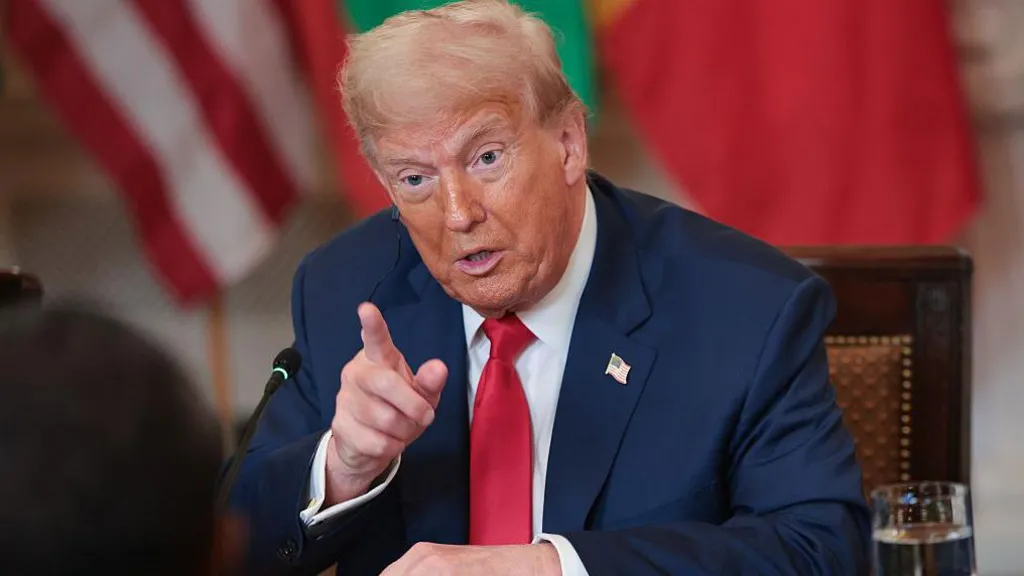
WASHINGTON DC: U.S. President Donald Trump on Wednesday announced an additional 25% tariff on imports from India, citing the country’s continued purchase of Russian oil.
The move, which follows a collapse in trade negotiations, has significantly deepened the rift between the two nations, Reuters reported.
The new tariff will take effect 21 days after August 7, increasing duties on certain Indian exports to as much as 50%—placing India among the most heavily taxed U.S. trade partners.
The executive order did not mention China, another major buyer of Russian oil. The White House declined to comment on whether a similar measure against Beijing is being considered.
Experts say this is the most serious strain in U.S.-India relations since Trump’s return to office in January. The tariffs could severely impact India’s exports to its largest trading partner, worth nearly $87 billion in 2024, particularly affecting sectors such as textiles, footwear, gems, and jewelry.
The move also marks a stark departure from the friendly tone of the Trump-Modi meeting earlier this year. In recent comments, Trump described India’s economy as “dead,” labeled its trade policies “obnoxious,” and criticized the country for benefiting from discounted Russian oil while remaining silent on the deaths caused by Russia’s ongoing invasion of Ukraine.
India’s Ministry of External Affairs condemned the decision as “extremely unfortunate,” emphasizing that other nations are also purchasing Russian oil to meet domestic needs. It added that India’s energy imports are dictated by market realities and the needs of its 1.4 billion citizens. The ministry affirmed that India would take “all necessary steps” to safeguard its national interests.
The escalation comes ahead of Indian Prime Minister Narendra Modi’s planned visit to China—his first in over seven years—hinting at a possible shift in regional alignments as U.S.-India relations worsen.
Following the announcement, global oil prices rose about 1% after hitting a five-week low in the previous session. Prices were also supported by a larger-than-expected decline in U.S. crude inventories.
Meanwhile, U.S. Treasury Secretary Scott Bessent last week warned China that continued Russian oil imports could also lead to new tariffs. The warning comes just days ahead of the August 12 expiration of the current U.S.-China tariff ceasefire.
(Inputs from Reuters)






Comment