




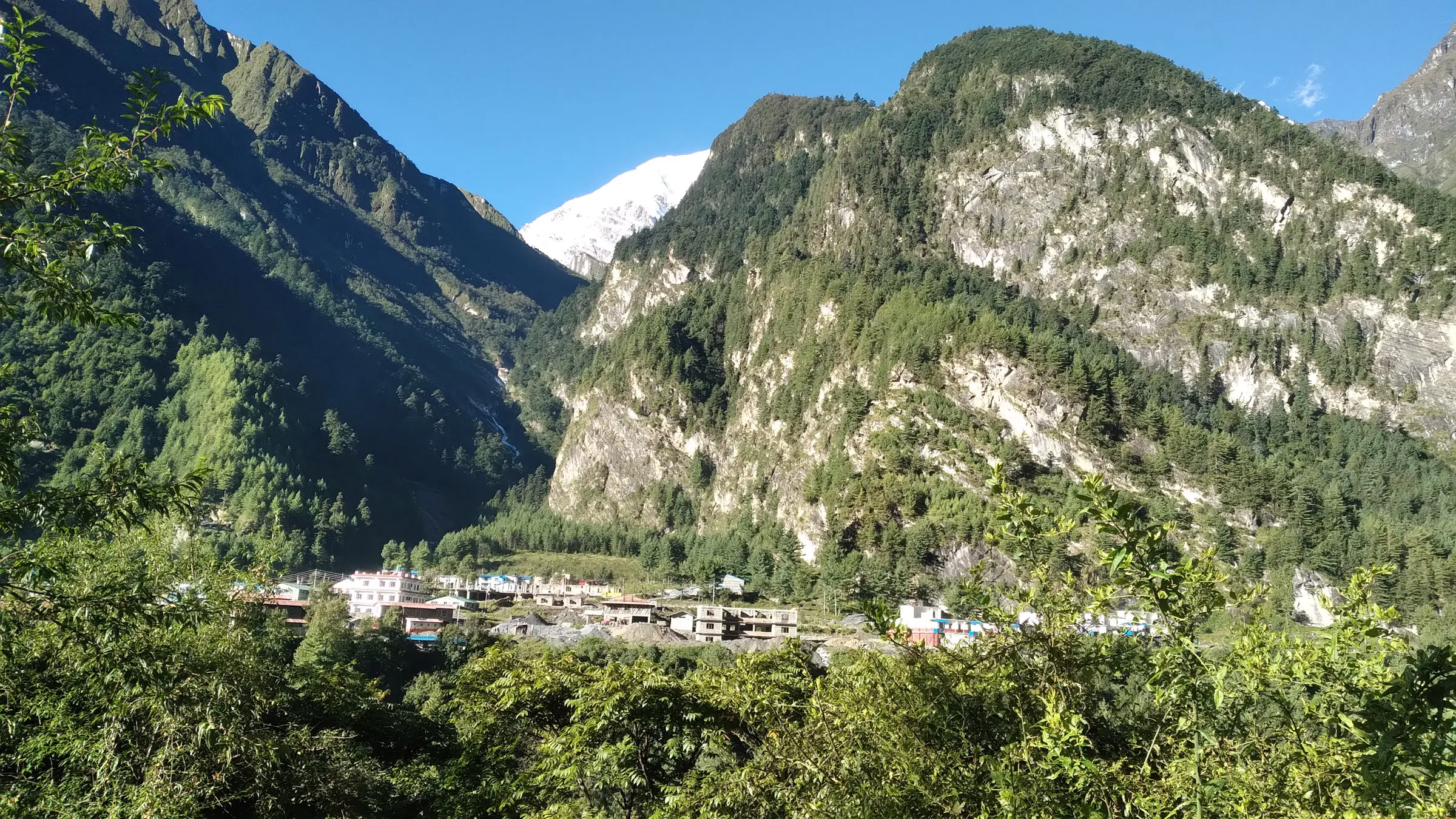
MANANG: Once bustling with foreign and domestic tourists from mid-September, the Himalayan district of Manang now lies deserted—even during what is typically the peak of tourist season.
This time of year usually sees fully booked hotels and crowded trekking routes, but this year, the silence is striking. In past years, foreign tourists flocked to Manang to trek the renowned Annapurna Circuit, visit the world’s highest lake—Tilicho, and climb peaks like Himlung Himal and Manaslu.
Domestic tourists, too, would take advantage of long festival holidays to explore the scenic region. This year, however, both groups are notably absent.
“The natural beauty of Manang attracts international tourists, and the income it generates plays a significant role in our national economy,” said Binod Gurung, Chairperson of the Tourism Entrepreneurs Association.
“But this year, the Gen-Z movement has had a direct and damaging impact on the tourism sector, and that, in turn, is hurting the broader economy.”
Gurung noted that tourism and agriculture are the two primary sources of income for Manang, and the sharp drop in tourist arrivals this season could result in lasting economic losses. “The revenue generated by Manang contributes significantly to the national economy, and the lack of tourists this season is a major setback,” he added.
Chief District Officer Nawaraj Poudel confirmed that while there was an initial influx of foreign tourists earlier in the season—especially to the popular hot springs in Chame—those numbers have since dropped to zero.
“Last week, there were many visitors here. Now, there are no domestic or foreign tourists at all,” said Pradya Poudel. “Just a few days ago, foreign tourists filled the hot springs in the evenings—now, not a single one.”
Both officials point to two main reasons behind the sudden decline: the ongoing Gen-Z protests and poor road conditions. In particular, the muddy and treacherous roads along the Lamjung section leading into Manang, compounded by landslides along the route from Kathmandu via Besisahar, have severely disrupted travel.
A major landslide in Chitwan and other transport challenges have further discouraged visitors. Dhak Bahadur Bhujel, head of the Annapurna Conservation Area Project (ACAP) Area Conservation Office in Manang, also confirmed that domestic tourist arrivals have plummeted.
“Traditionally, domestic tourism spikes during festival seasons. But this year, rain, landslides, and political unrest have kept people away,” he said.
Hotelier Phurba Lama reported that local hotels—which are usually full at this time—are now empty. “Even the reservations we had were canceled,” he said. “We have never seen such a quiet start to the tourist season.”
Dhan Bahadur Gurung, Chairman of Naso Rural Municipality, has attributed the sudden drop in foreign tourist arrivals to the recent Gen-Z movement and the rapid political changes in the country.
“Manang is deserted this year. My rural municipality serves as the main entry point for tourists, but now there are none. Last year, it was so crowded you could barely walk,” Gurung remarked.
The situation is further compounded by the Dashain holidays. Most government employees have left for vacation, leaving office assistants to manage operations. This has contributed to an even more deserted atmosphere in the district. In addition, around 90% of Manang’s residents have homes or businesses in urban centers like Kathmandu, Pokhara, and Chitwan.
Many have relocated for better education opportunities for their children and return to the village only occasionally—especially during festivals. Elected officials and local businesspeople have also traveled to cities to celebrate Dashain with their families, further reducing activity in the region.
Konjo Tenzing Lama, Chairman of Narpabhumi Rural Municipality, confirmed that he himself had traveled to Kathmandu for the holiday. He too acknowledged the impact of the Gen-Z protests on local tourism.
Locals are now calling on the government to take urgent steps to revive the stagnant tourism industry. As Manang has historically been one of Nepal’s earliest hubs for foreign trade and tourism, residents express growing concern over the lack of attention to the region’s economic decline.




Comment