




Six years after the Modi government revoked Article 370 and 35A, completing a long-pending constitutional reform, the ground situation in Jammu and Kashmir has undergone a major shift. The recent success of Operation Sindoor—launched just before the sixth anniversary of the move—reaffirmed that terrorism will no longer go unchecked, sending a strong message to Pakistan and its support network.
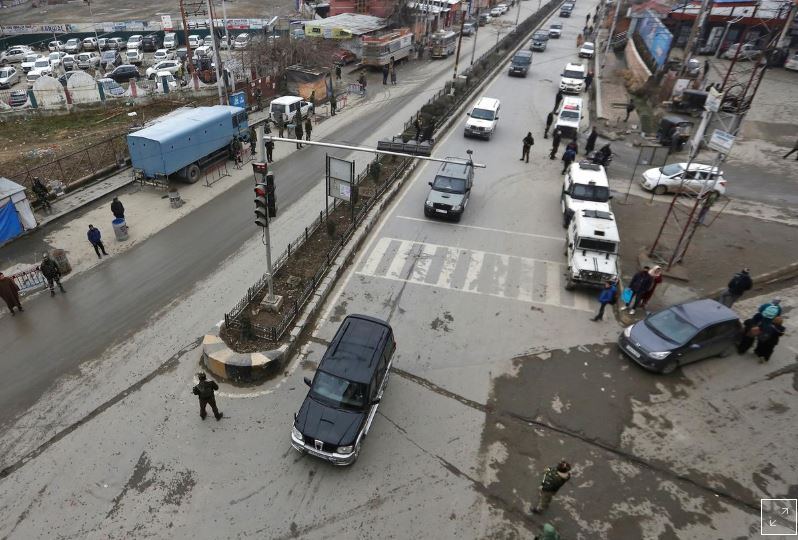
Since August 5, 2019, Kashmir has seen a significant improvement in its security environment. Incidents of stone-pelting, street unrest, bombings, and targeted killings have sharply declined. Attacks on security personnel have also seen a considerable drop.
This improved security has led to a steady rise in tourism, with millions of visitors from India and abroad traveling to the Union Territory each year. The tourism boom has provided a much-needed boost to local industries such as handicrafts and horticulture, playing a key role in reviving the regional economy.
At the same time, more young people are engaging in education, sports, competitive exams, and entrepreneurship, driven by a sense of optimism and stability.
While occasional terror attacks still happen, the overall atmosphere in the Kashmir Valley is far more peaceful and inviting than it was before 2019. Many locals are now focused on moving beyond the violence of the past and rebuilding their lives.
In a desperate move, Pakistan tried to disrupt this peace by orchestrating a brutal terror attack on April 22, targeting and killing 25 Hindu tourists and a local pony handler. The motive was clear: to sow fear, halt tourism, and incite communal unrest across India.
However, the people of Kashmir stood firm. After the initial shock, tourists resumed travel to the valley, defying the terrorists’ intentions.
One symbolic moment came with the peaceful celebration of Zaeth-Ashtami by Kashmiri Pandits at the Kheer Bhawani temple in Ganderbal, followed by a successful Amarnath Yatra with over 400,000 pilgrims taking part.
These events reflect the growing resilience and unity of the Kashmiri people. Unlike earlier times, when militants could operate even within cities like Srinagar with local support, today most encounters are limited to remote forests.
The Modi government has also cracked down on dozens of terror-linked organizations, curbing local recruitment. Now, most terrorists are infiltrators from across the border.
Nevertheless, security concerns remain. Radical propaganda from Pakistan-backed terror groups still poses a threat, especially among those vulnerable to extremist ideologies.
Controversial statements—like those from National Conference leader Farooq Abdullah, claiming militancy will never end—reveal the challenges posed by political doublespeak that undermines peace efforts.
But the people have made their choice. They seek peace, development, and a thriving tourism industry. Kashmiris are determined to move forward, building on the momentum that began on August 5, 2019.





Comment