




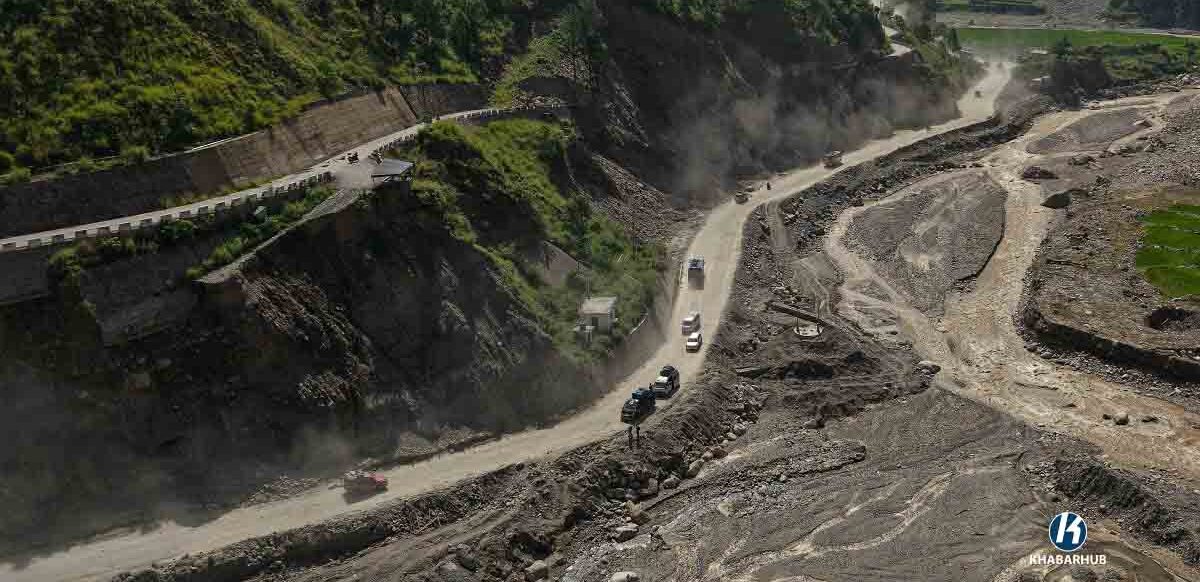
KATHMANDU: Nearly a year after devastating floods and landslides, key stretches of the BP Highway remain in a fragile and disrupted state, forcing the government to expedite emergency restoration with foreign aid support.
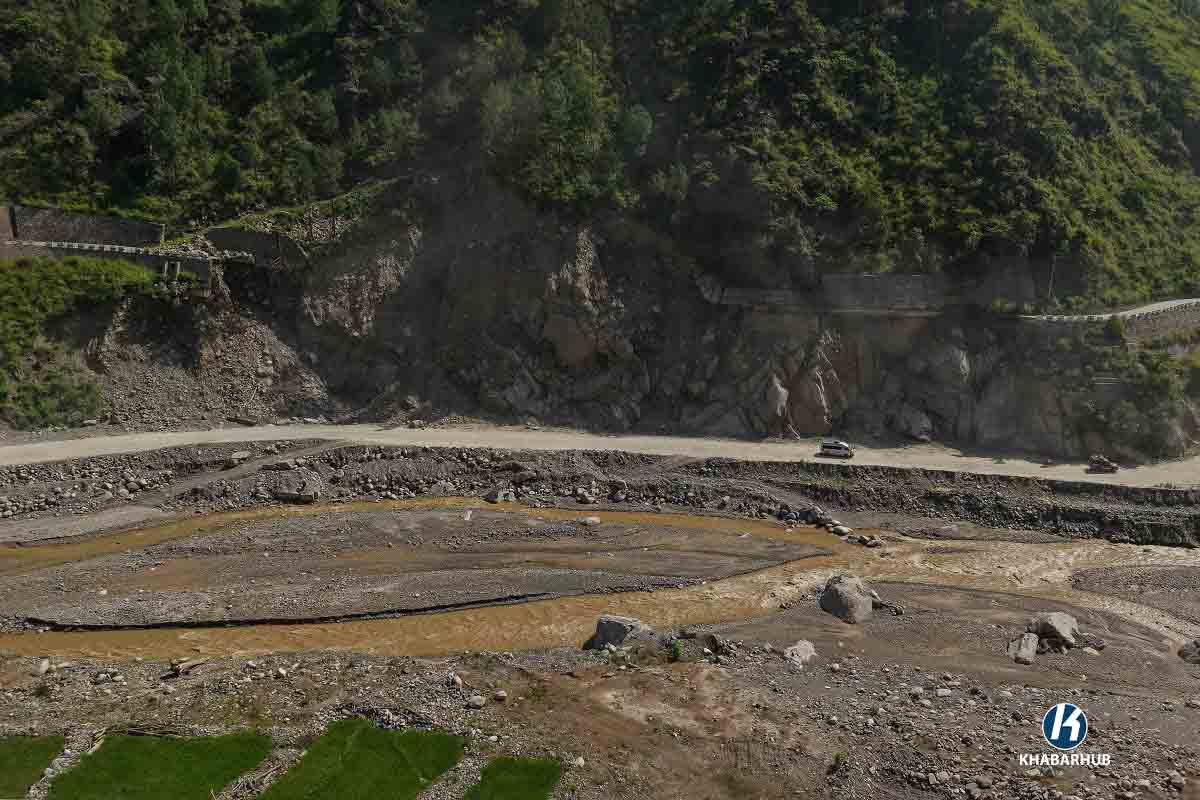
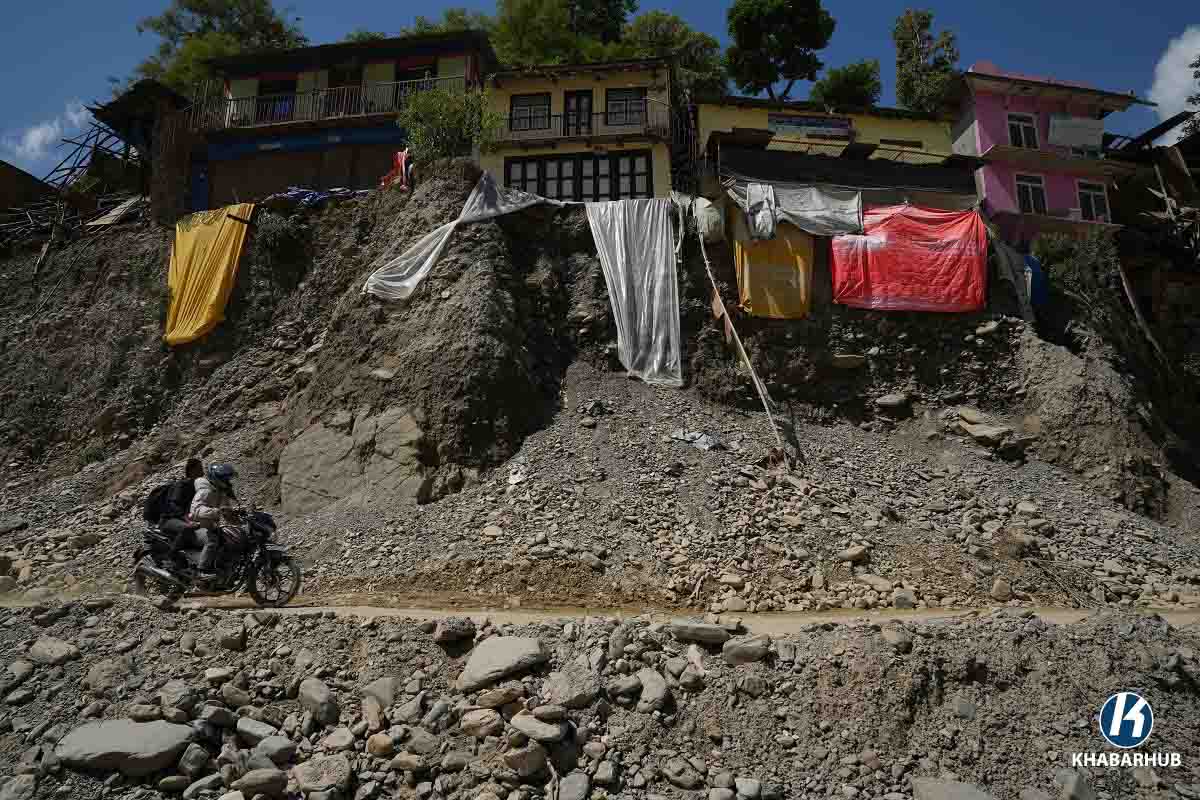
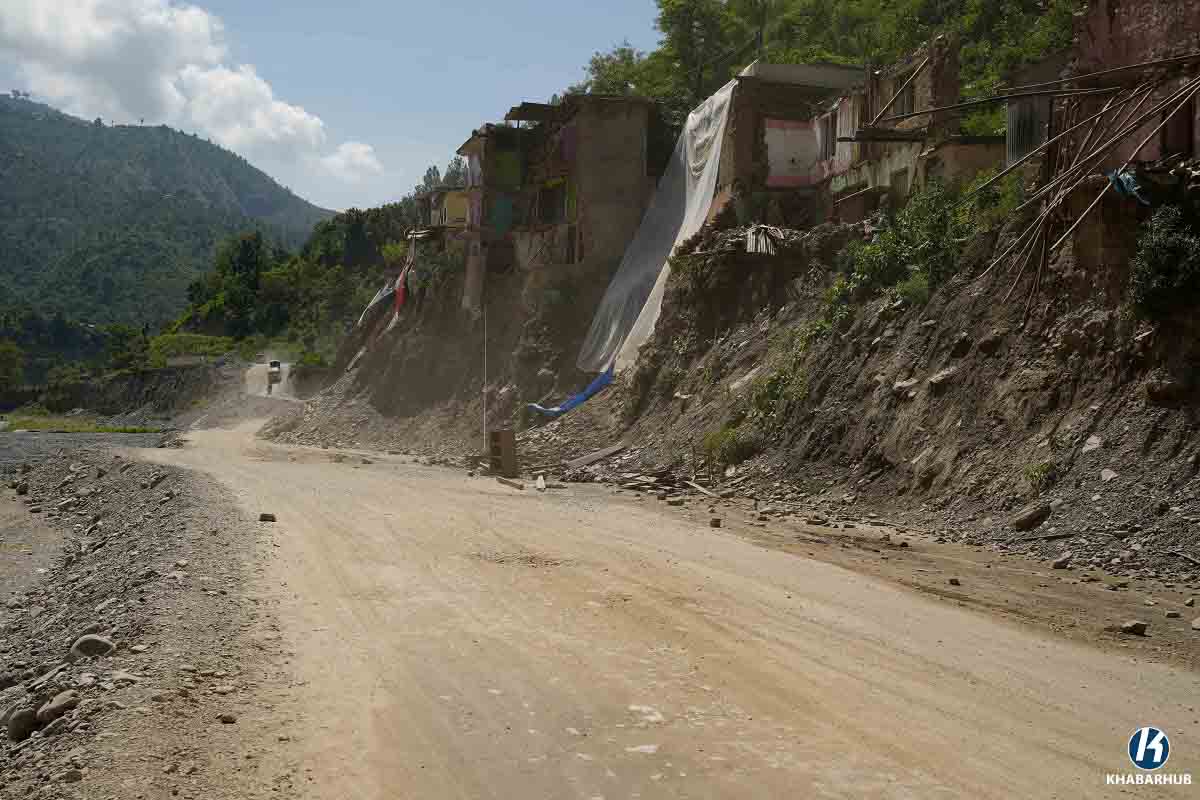
The strategic highway, which connects Kathmandu to the eastern Terai, sustained severe damage during last year’s monsoon, with multiple sections washed away and traffic frequently halted.
Around 25 kilometers of the road were critically affected, leaving residents and traders in surrounding districts grappling with risky travel and interrupted supply chains.
On Thursday, the government announced it has accepted a Japanese grant of 2.8 billion yen (around Rs 2.6 billion) for the highway’s emergency restoration. The Cabinet’s decision comes amid growing concerns that the road has not yet returned to full operational capacity, especially as this year’s monsoon continues to trigger smaller landslides and roadblocks.
According to the Department of Roads, the most heavily damaged portion spans 30.5 kilometers from Bhakundebesi to Nepalthok, which is now under a two-lane reconstruction plan. The project has been divided into three packages, two on the Kavre side and one on the Sindhuli side, with contracts already awarded to accelerate work.
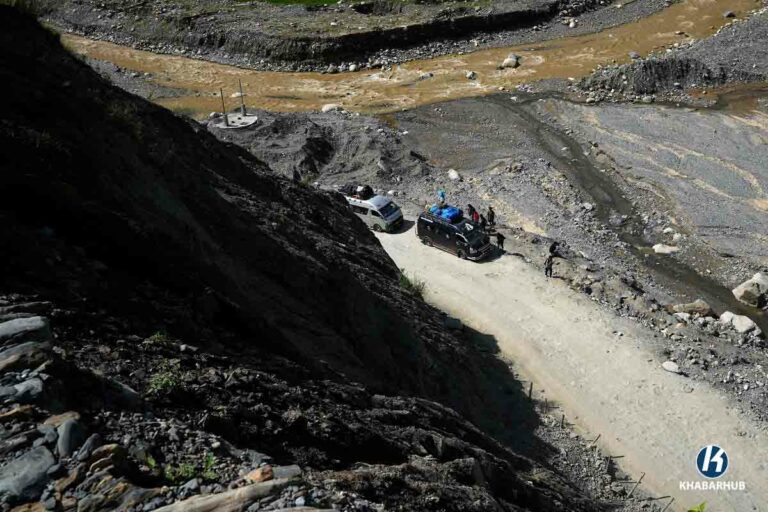
Local drivers and residents report that temporary diversions and gravel sections are common, and even light rains often cause blockages. Freight carriers say detours have increased travel time and transport costs, affecting local economies.
Officials say the Japanese-funded emergency project will focus on stabilizing landslide-prone slopes, reconstructing washed-out sections, and ensuring all-weather traffic flow before the next major monsoon season.
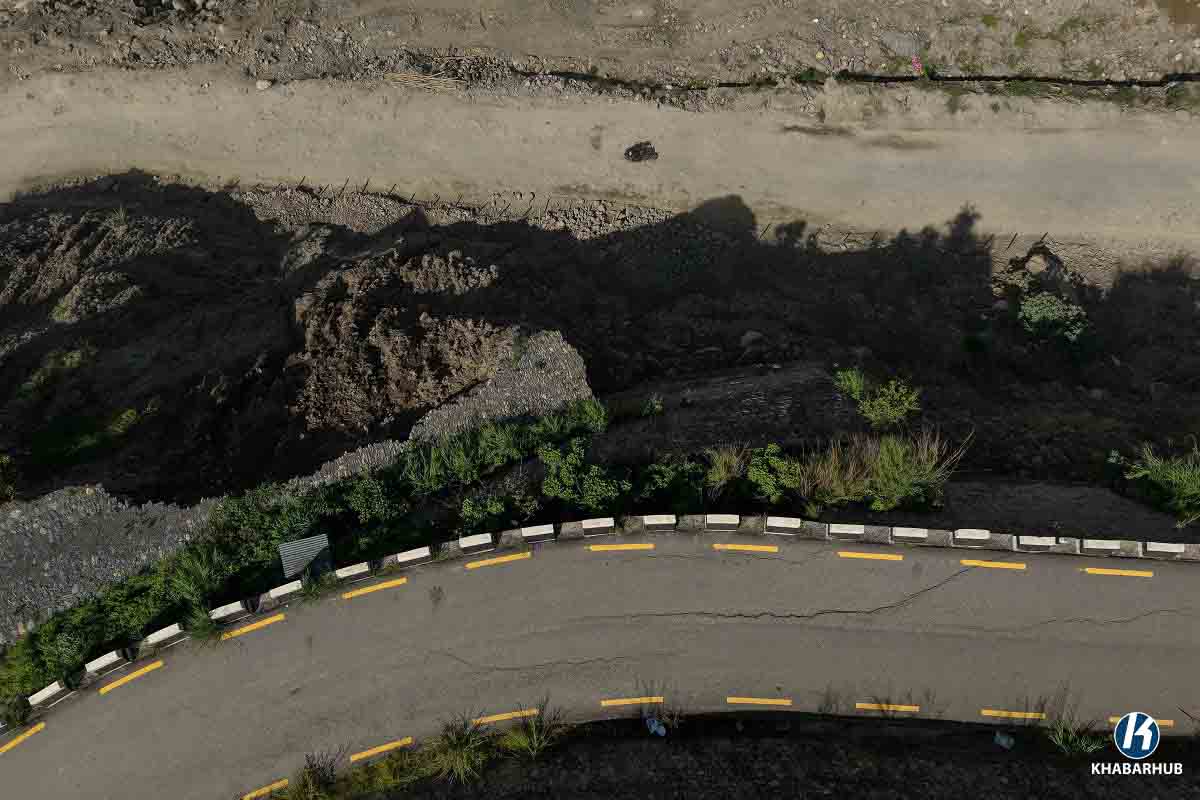
Despite this effort, engineers caution that long-term resilience will require additional investment in drainage, slope management, and climate-adaptive engineering, as the BP Highway has become increasingly vulnerable to extreme weather.








Comment