




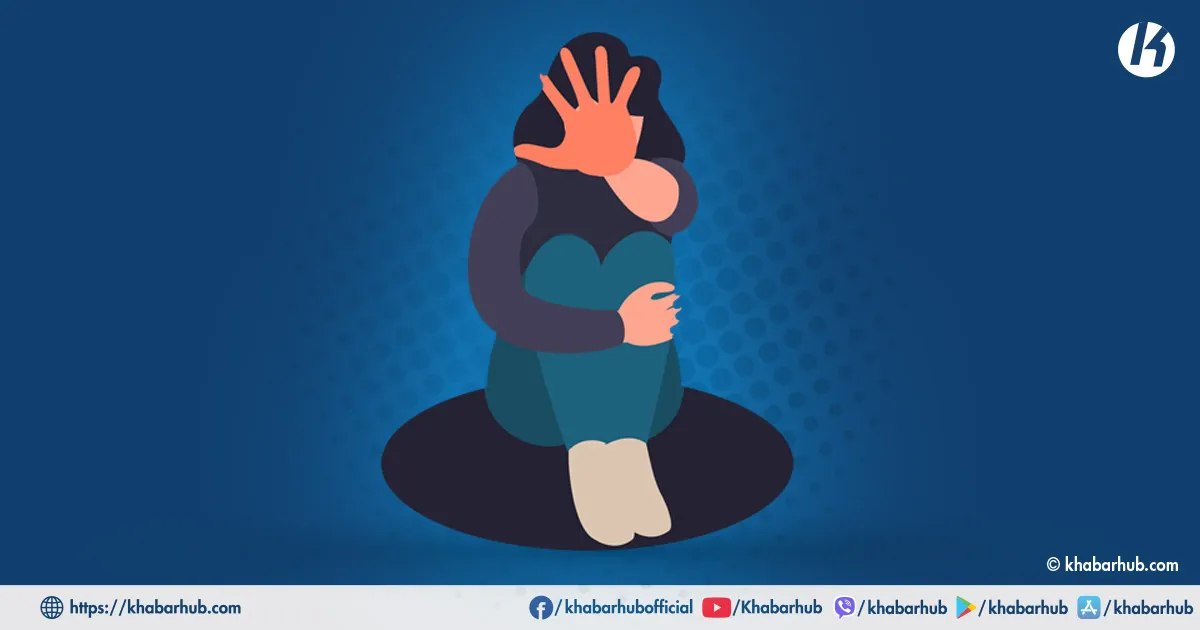
KATHMANDU: Survivors of sexual violence, particularly women and girls from Dalit, Indigenous, Madhesi, Muslim, and disabled communities, continue to face entrenched stigma, systemic barriers, and weak state support systems despite gradual legal reforms in Nepal, a national consultation in Lalitpur concluded on Thursday.
The event brought together more than 30 representatives from marginalized communities, civil society, legal experts, media, and policymakers, who shared a collective concern: justice remains largely elusive for survivors.
“There is still a prevailing culture of silence when it comes to cases of sexual violence,” said senior advocate Meera Dhungana, who led the 2002 legal challenge that criminalized marital rape in Nepal. “Victim-blaming, economic insecurity, the lack of a robust support system, and poor enforcement of laws force many survivors to withdraw complaints. Those who speak out often face displacement and are left struggling for basic needs like food and shelter.”
While participants acknowledged reforms such as the extension of the statute of limitations for rape cases, they stressed that lax implementation and inadequate survivor-centric practices undermine progress.
Structural barriers remain acute for women and girls with disabilities, with inaccessible court buildings and the absence of sign language interpretation leaving many unheard.
Speakers called for a holistic, survivor-centered approach that extends beyond legal prosecution. They urged the government and civil society to prioritize long-term mental health care, economic support, community reintegration, and legal empowerment.
Generating disaggregated data to identify the specific needs of marginalized communities was also emphasized, alongside stronger collaboration among women’s rights, disability, and minority rights organizations.
“This moment demands more than reflection — it requires transformation,” said Upasana Rana, Executive Director of Women for Human Rights (WHR). “Survivors must be at the center of justice reforms not only as beneficiaries but as decision-makers.”
Julie Thekkudan of Equality Now echoed the urgency, warning that “until Nepal addresses overlapping inequalities of caste, ethnicity, gender, and disability, justice will remain out of reach for many. Progress must be measured by survivors’ lived experiences, not just by legal texts.”
Nirmala Sharma, Chairperson of the Federation of Nepali Journalists (FNJ), stressed the media’s role in advocating for unhindered justice and called on state institutions and rights organizations to act decisively. “Actions must be prioritized to deliver results,” she said.
According to Nepal Police, 2,507 cases of sexual violence were reported between 2023 and 2024, up from 2,380 in the previous year. Dalit women and girls remain disproportionately impacted, while Indigenous and disabled women face compounded barriers to reporting crimes or testifying safely.
The consultation, co-hosted by Equality Now and the South Asian Movement for Accessing Justice (SAMAJ) in partnership with WHR, FEDO Nepal, and the Forum for Women, Law and Development, concluded that Nepal’s path to a just society lies in inclusive, survivor-driven reforms that dismantle impunity and silence.



Comment