




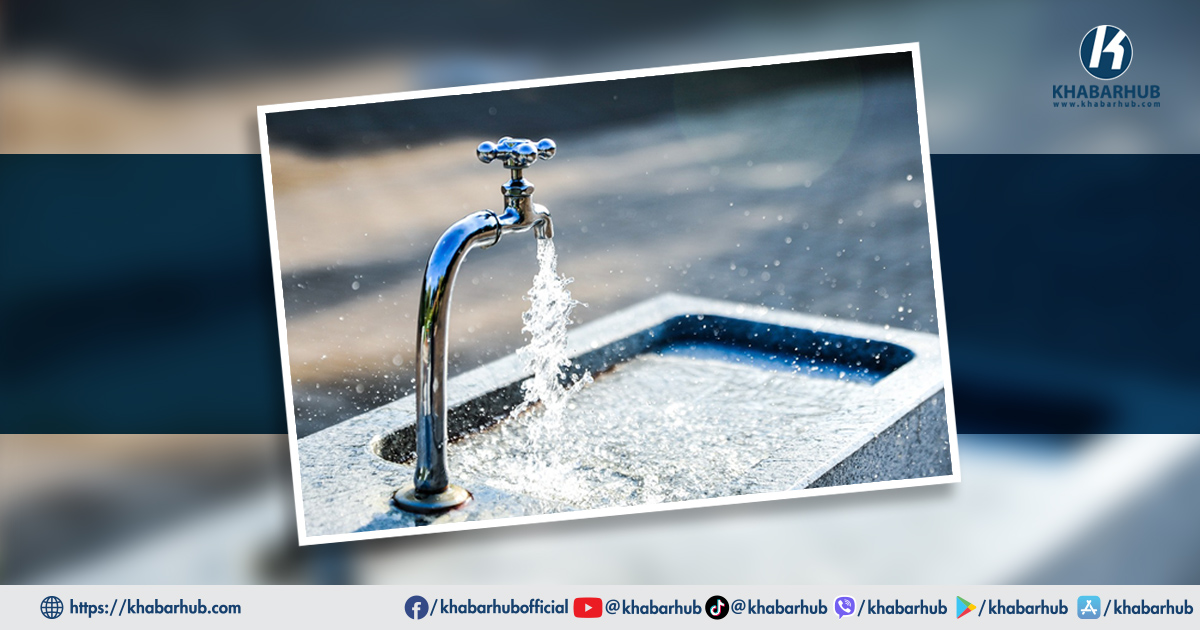
MYAGDI: A total of 338 households in Malika Rural Municipality-2 have gained access to clean drinking water through three newly constructed water supply projects this year.
The Khawang Sheredhara, Dhuwang, and Ghanglepani water supply, sanitation, and hygiene projects were developed with financial and technical support from Nepal Health for Water (NEWA), contributions from Malika Rural Municipality, and voluntary labor from local residents.
According to Uday Kumar Budhathoki, ward chair of Malika-2, the projects were completed at a total cost of Rs 17.171 million and have provided tap connections to 338 households.
Of the total investment, NEWA contributed Rs 8.07 million, Malika Rural Municipality invested Rs 4.291 million, and local residents donated labor worth approximately Rs 4.79 million.
Village Council Chairperson Beg Prasad Garbuja shared that a total of seven drinking water, sanitation, and hygiene projects were implemented in Wards 1, 2, and 3 of the municipality during fiscal year 2024/25.
These projects benefited 125 households in Niskot (Ward 1), 225 households in Dadagaun, Kiteni, Aul, Saragdi, and Syagalung (Ward 3), 122 households in Patle, and 53 households in Lumpipar.




Comment