




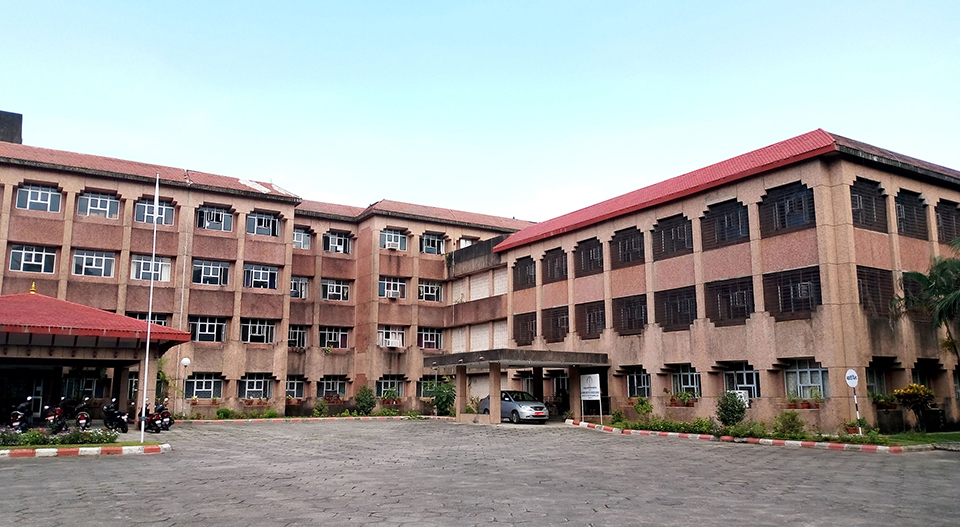
KATHMANDU: BP Koirala Institute of Health Sciences (BPKIHS) in Dharan, one of Nepal’s busiest health institutions, is expanding and modernizing its services, with a significant number of its patients coming from across the border.
According to the institute’s data, around 30% of the 3,500 daily patients are Indian nationals.
In an effort to enhance maternal and child healthcare, the institute is set to inaugurate a newly completed 400-bed Maternal and Child Health (MCH) building next month.
Vice Chancellor Dr Gyanendra Giri, said the institute will initially dedicate 200 beds to maternal and child services, with plans to introduce specialized care in the remaining beds. The number of ICU beds has also been increased from 32 to 74, while dialysis services have expanded from 10 to 23 beds.
Dr Giri said since his appointment, he has worked to revive stalled infrastructure projects, including the MCH building and pharmacy, which had been delayed due to financial and administrative disputes.
Legal hurdles had even led some cases to the Commission for the Investigation of Abuse of Authority. After addressing these challenges, the institute has been able to establish one of the most advanced emergency services in the country.
BPKIHS, which was established in 1993 and became an autonomous health sciences university in 1998, was developed with support from the Indian government. It continues to foster Nepal-India collaboration in healthcare and education. The institute has also partnered with universities in Nepal and abroad for research.
Financial constraints arose following the establishment of the Medical Education Commission in 2017, but Dr Giri highlighted that under his leadership, discussions with then-Prime Minister KP Sharma Oli led to an increase in student enrollment, including a 10% quota for foreign postgraduate students. The institute charges Rs 20 million per foreign student, contributing to its financial sustainability.
During his tenure, Dr Giri has overseen policy reforms, resumed Senate meetings and convocations after a decade-long hiatus, and implemented initiatives such as a new pharmacy building that has improved patient access to medicine while generating revenue.
Looking ahead, he aims to expand cardiac and cancer services, modernize burn treatment, digitize office operations with Indian support, and establish a trauma center and transplant services.
Despite progress, Dr Giri acknowledged persistent financial difficulties, particularly with withheld health insurance funds, and challenges posed by internal resistance within the institute. However, he remains committed to advancing BPKIHS as a leading medical institution in Nepal.




Comment