




KATHMANDU: As the Dashain festival approaches, the mass departure from Kathmandu Valley intensifies, with an estimated over 1.8 million people leaving the city to return to their hometowns.
These passengers—workers, students, and businesspeople—board long-haul buses bound for rural Nepal, eager to celebrate the country’s most significant festival with their families.
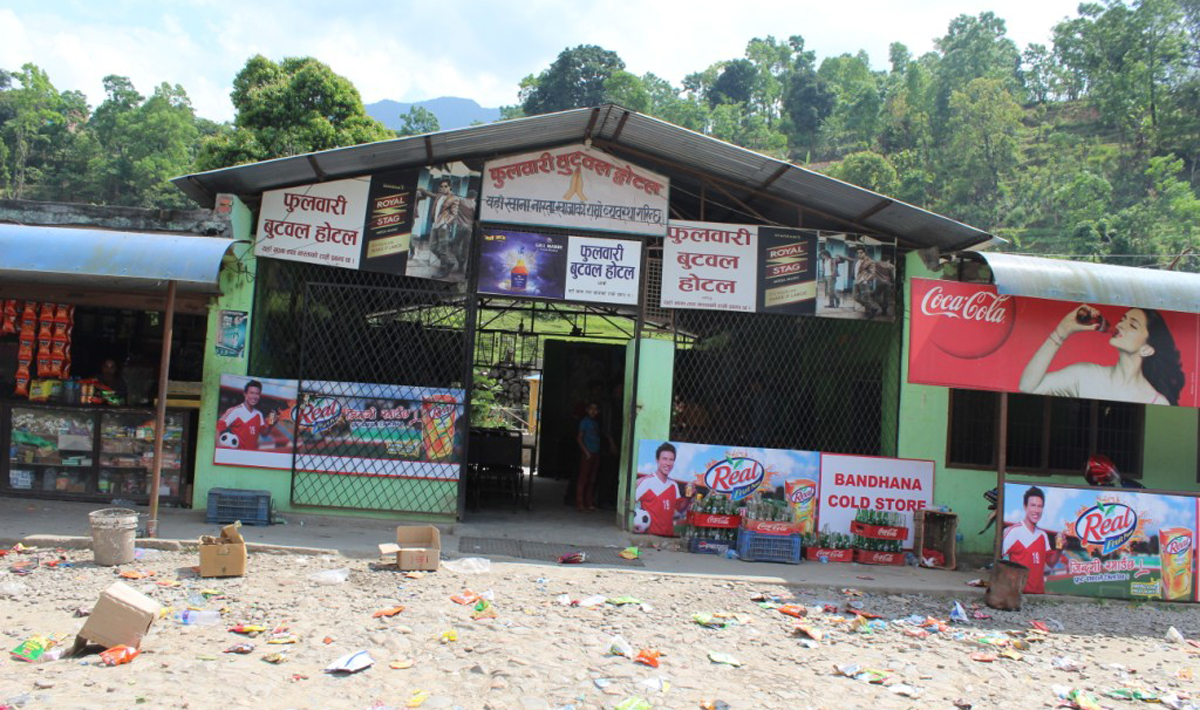
While the festival brings joy, it also raises concerns about the food safety conditions along Nepal’s highways.
Public buses traveling from Kathmandu to destinations across the country make frequent stops at roadside hotels and restaurants, where passengers are often served unhygienic and substandard food.
Numerous complaints have emerged from passengers, who describe being forced to eat poorly prepared meals, sometimes infested with insects or containing spoiled meat.
Despite yearly assurances from the government about intensified monitoring, passengers say that little has improved.
During Dashain, local authorities and food safety officials often claim they have ramped up inspections of roadside eateries.
This year is no different, with officials from the Department of Food Technology and Quality Control (DFTQC) announcing that they are scrutinizing food standards along major highways, including the Prithvi, BP, and Araniko highways.
“We are conducting regular inspections, focusing on the food quality in hotels near the roads,” said Mohan Krishna Maharjan, spokesperson for the DFTQC.
The growing criticism has prompted federal officials to commit to more systematic monitoring. Rajan Poudel, Director General of the Department of Commerce, Supplies and Consumer Protection, said, “We are trying to ensure that this year’s festival will see effective enforcement of food safety standards.”
According to Maharjan, the department has dispatched teams not only in Kathmandu but across major highway routes, particularly areas like Nagdhunga to Mugling, where buses stop frequently.
Local governments are also participating in this effort. In coordination with federal agencies, municipalities like Ichchakamana Rural Municipality have launched monitoring campaigns at key roadside stops, including those in Mugling Bazaar, a well-known transit hub for long-distance buses.
Dan Bahadur Gurung, Chairperson of Ichchakamana Rural Municipality, said that last year, two hotels were fined for serving food that posed health risks to passengers.
“We will take strict action again if necessary,” Gurung said.
However, despite these measures, consumer rights groups remain skeptical. Madhav Timalsina, president of the Consumer Rights Investigation Forum, criticized the current approach as largely performative.
“Passengers continue to complain about unhealthy food,” he said, “Local governments need to implement stricter, more transparent oversight, rather than the superficial inspections we see year after year.”
The growing criticism has prompted federal officials to commit to more systematic monitoring. Rajan Poudel, Director General of the Department of Commerce, Supplies and Consumer Protection, said, “We are trying to ensure that this year’s festival will see effective enforcement of food safety standards.”





Comment