




Governance challenges and issues present a multifaceted array of problems that hinder the effective functioning of government institutions and negatively impact the well-being of citizens.
Frequent leadership changes often result in a lack of continuity and consistency in policy implementation, which can lead to policy reversals and a general lack of clear ideology guiding governance.
Such instability can weaken institutional setups and reduce the ability of leadership to prepare for and adopt appropriate technologies.
In many cases, the focus on process rather than productivity leads to inefficiencies and irregularities in governance.
Moreover, corruption further exacerbates these challenges, contributing to cost-benefit disequilibrium and contract administration maladies such as estimate escalation, cost overruns, variations, inordinate delays, incompetence, and interference from administrative and political forces.
On the other hand, fiscal and banking sector governance issues, including a lack of accountability and regulatory oversight, result in problems such as the dysfunction and irregularities of cooperatives and microcredit institutions.
This disconnect can lead to frustration, distrust in public offices, and a sense of hopelessness that drives youth migration. National productivity suffers as a result, potentially reaching a point of no repair.
The banking sector faces challenges in terms of non-repayment of loans and increasing non-banking assets, while bankers distribute dividends to shareholders at the expense of loaners who face the confiscation of collateral property.
These practices raise concerns about the productivity and efficacy of banking policies.
In such a situation, regulatory institutions face the challenge of constructive interventions to maintain enterprise stability while supporting ordinary people’s access to remedies.
However, regulatory efforts must also aim to ensure the proper functioning of institutions and their ability to deliver services effectively.
Additionally, trade deficits, increased remittances, a consumer-driven economy, and a decreasing contribution of agricultural and industrial sectors to GDP are all signs of deeper governance issues.
These problems can drive youth migration as citizens seek better opportunities elsewhere.
Poor service delivery by various tiers of government compounds the issue and can lead to an increased volume of borrowing, both external and internal, without corresponding improvements in productivity.
The lack of coordination between fiscal and monetary policy adds to governance challenges.
Stability and stagnancy must be balanced to achieve sustainable development and productivity growth, while infrastructure development should contribute positively to productivity.
Governance faces challenges such as a timid bureaucracy, overbearing politics, defensive constitutional bodies, unclear public policies, and missing goals.
These issues, coupled with the lack of a comprehensive development framework, obstruct citizens’ access to public services and erode trust in government.
Constitutional governance also faces multi-layered challenges, including establishing the rule of law, ensuring compliance with the Constitution and laws, and preparing resources, institutions, and infrastructure for implementation.
The lack of sanctions for non-compliance and inadequate planning to institutionalize the implementation of laws further weakens governance.
Timely constitutional reviews, improved planning, and mainstreaming governance through the rule of law are necessary to ensure fair, equitable, and just distribution of public goods and services.
Authorities should exercise responsibility rather than hegemonic discretion, and laws must be free from treachery and discrimination.
Democracy, rule of law, and good governance are mutually reinforcing, yet they are often at risk of falling apart in practice.
Stability and stagnancy must be balanced to achieve sustainable development and productivity growth, while infrastructure development should contribute positively to productivity.
This disconnect can lead to frustration, distrust in public offices, and a sense of hopelessness that drives youth migration. National productivity suffers as a result, potentially reaching a point of no repair.
To endure, democracy must foster development, good governance, prosperity, trust, and confidence in the state.
These elements are interconnected, and their bifurcation without acknowledging their relationship can harm the overall health of a nation.
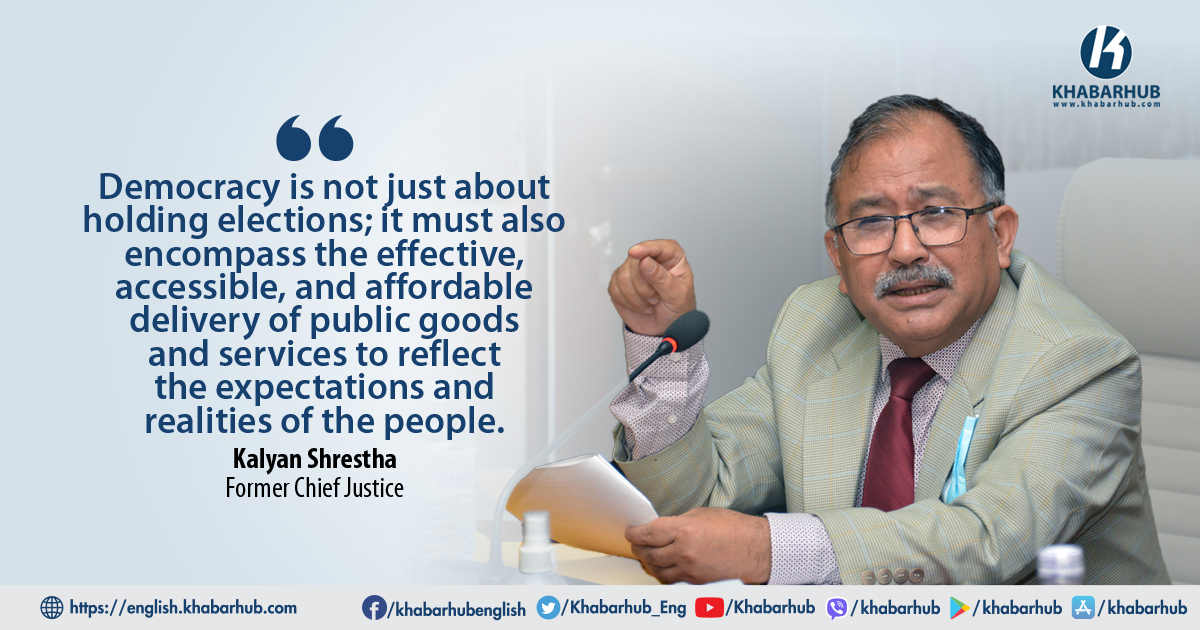
Democracy is not just about holding elections; it must also encompass the effective, accessible, and affordable delivery of public goods and services to reflect the expectations and realities of the people.
Governance must prioritize taking care of people and their territory, demonstrating a commitment to citizens’ welfare and the quality of government they receive.
Governance challenges and issues present a multifaceted array of problems that hinder the effective functioning of government institutions and negatively impact the well-being of citizens.
Frequent leadership changes often result in a lack of continuity and consistency in policy implementation, which can lead to policy reversals and a general lack of clear ideology guiding governance.
Such instability can weaken institutional setups and reduce the ability of leadership to prepare for and adopt appropriate technologies.
In many cases, the focus on process rather than productivity leads to inefficiencies and irregularities in governance.
Corruption further exacerbates these challenges, contributing to cost-benefit disequilibrium and contract administration maladies such as estimate escalation, cost overruns, variations, inordinate delays, incompetence, and interference from administrative and political forces.
Fiscal and banking sector governance issues, including a lack of accountability and regulatory oversight, result in problems such as the dysfunction and irregularities of cooperatives and microcredit institutions.
The banking sector faces challenges in terms of non-repayment of loans and increasing non-banking assets, while bankers distribute dividends to shareholders at the expense of loaners who face the confiscation of collateral property.
These practices raise concerns about the productivity and efficacy of banking policies.
Regulatory institutions face the challenge of constructive interventions to maintain enterprise stability while supporting ordinary people’s access to remedies.
However, regulatory efforts must also aim to ensure the proper functioning of institutions and their ability to deliver services effectively.
Trade deficits, increased remittances, a consumer-driven economy, and a decreasing contribution of agricultural and industrial sectors to GDP are all signs of deeper governance issues.
These problems can drive youth migration as citizens seek better opportunities elsewhere.
Poor service delivery by various tiers of government compounds the issue and can lead to an increased volume of borrowing, both external and internal, without corresponding improvements in productivity.
The lack of coordination between fiscal and monetary policy adds to governance challenges.
Democracy is not just about holding elections; it must also encompass the effective, accessible, and affordable delivery of public goods and services to reflect the expectations and realities of the people.
Stability and stagnancy must be balanced to achieve sustainable development and productivity growth, while infrastructure development should contribute positively to productivity.
Governance faces challenges such as a timid bureaucracy, overbearing politics, defensive constitutional bodies, unclear public policies, and missing goals.
These issues, coupled with the lack of a comprehensive development framework, obstruct citizens’ access to public services and erode trust in government.
Constitutional governance also faces multi-layered challenges, including establishing the rule of law, ensuring compliance with the Constitution and laws, and preparing resources, institutions, and infrastructure for implementation.
The lack of sanctions for non-compliance and inadequate planning to institutionalize the implementation of laws further weaken governance.
Timely constitutional reviews, improved planning, and mainstreaming governance through the rule of law are necessary to ensure fair, equitable, and just distribution of public goods and services.
Authorities should exercise responsibility rather than hegemonic discretion, and laws must be free from treachery and discrimination.
Democracy, rule of law, and good governance are mutually reinforcing, yet they are often at risk of falling apart in practice.
This disconnect can lead to frustration, distrust in public offices, and a sense of hopelessness that drives youth migration. National productivity suffers as a result, potentially reaching a point of no repair.
To endure, democracy must foster development, good governance, prosperity, trust, and confidence in the state.
These elements are interconnected, and their bifurcation without acknowledging their relationship can harm the overall health of a nation.
Democracy is not just about holding elections; it must also encompass the effective, accessible, and affordable delivery of public goods and services to reflect the expectations and realities of the people.
Governance must prioritize taking care of people and their territory, demonstrating a commitment to citizens’ welfare and the quality of government they receive.
(Based on the opinion expressed by former Chief Justice Kalyan Shrestha at a program organized by the Institute for Strategic and Socio-Economic Research and Khabarhub at the Pavilion Hall, Durbar Marga on Tuesday)






Comment