




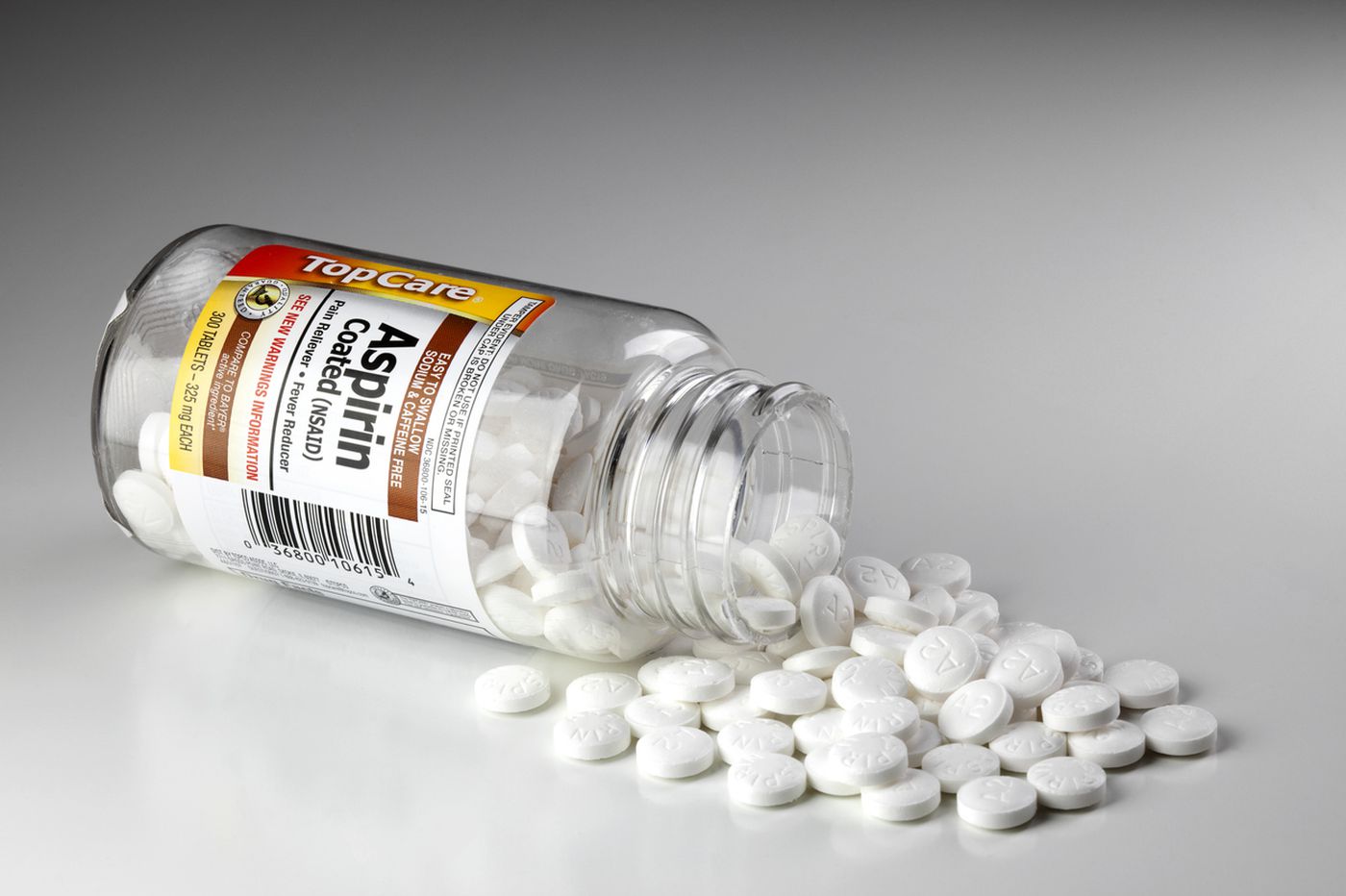
WASHINGTON: Using aspirin on a daily basis for an extended period of time increases the risk of anaemia by 20% in people aged 70 and older, a new study that looked at data from the landmark ASPREE trial, revealed.
The results have prompted researchers to suggest that regular monitoring for anaemia be considered for older adults who take low-dose aspirin, and if older adults have concerns about their health or medications they should discuss them with their GP.
The results have prompted researchers to suggest that regular monitoring for anaemia be considered for older adults who take low-dose aspirin and to discuss any concerns about their health or medications with their GP.
The Monash University-led study, published in Annals of Internal Medicine, followed 18,153 initially healthy older adults in Australia and the USA and recorded incidents of anaemia over an average 4.7 years.
The risk of developing anaemia was found to be 20 per cent higher in the aspirin group compared to those in the placebo group.
It was the largest study to investigate anaemia in older people as part of a randomised controlled trial, ASPREE (ASPirin in Reducing Events in the Elderly) – with half the participants taking a placebo and the other half a daily low dose (100mg) of aspirin.
Anaemia is commonly experienced by older adults, potentially affecting overall function and increasing fatigue, disabilities, depressive symptoms and cognitive problems.
In addition to a higher risk of anaemia, blood tests revealed a faster decline of haemoglobin and reduced ferritin (a protein that carries iron) levels in the aspirin group compared to the placebo group.
Lead author, Associate Professor Zoe McQuilten from Monash University’s School of Public Health and Preventive Medicine, said while bleeding was a known side-effect of aspirin, few previous studies had looked at the effect of prolonged aspirin use on the progressive development of anaemia in older adults.
“This study gives a clearer picture of the additional risk of becoming anaemic with aspirin use and the impact is likely to be greater in older adults with underlying diseases, such as kidney disease,” Associate Professor McQuilten said.
Associate Professor McQuilten said the new data gave doctors insight into the risk of anaemia from prolonged aspirin use by their older patients.
“Older adults are more likely to become anaemic generally and now doctors can potentially identify patients at higher risk of developing anaemia,” she said.
Associate Professor McQuilten urged patients to follow the advice of their doctor about their daily use of aspirin.
She cautioned that for some older adults, aspirin was recommended as a valuable therapy to prevent recurring heart attacks or stroke.
“Patients should not change their aspirin regimen without speaking to their GP,” she said.
(ANI)






Comment