




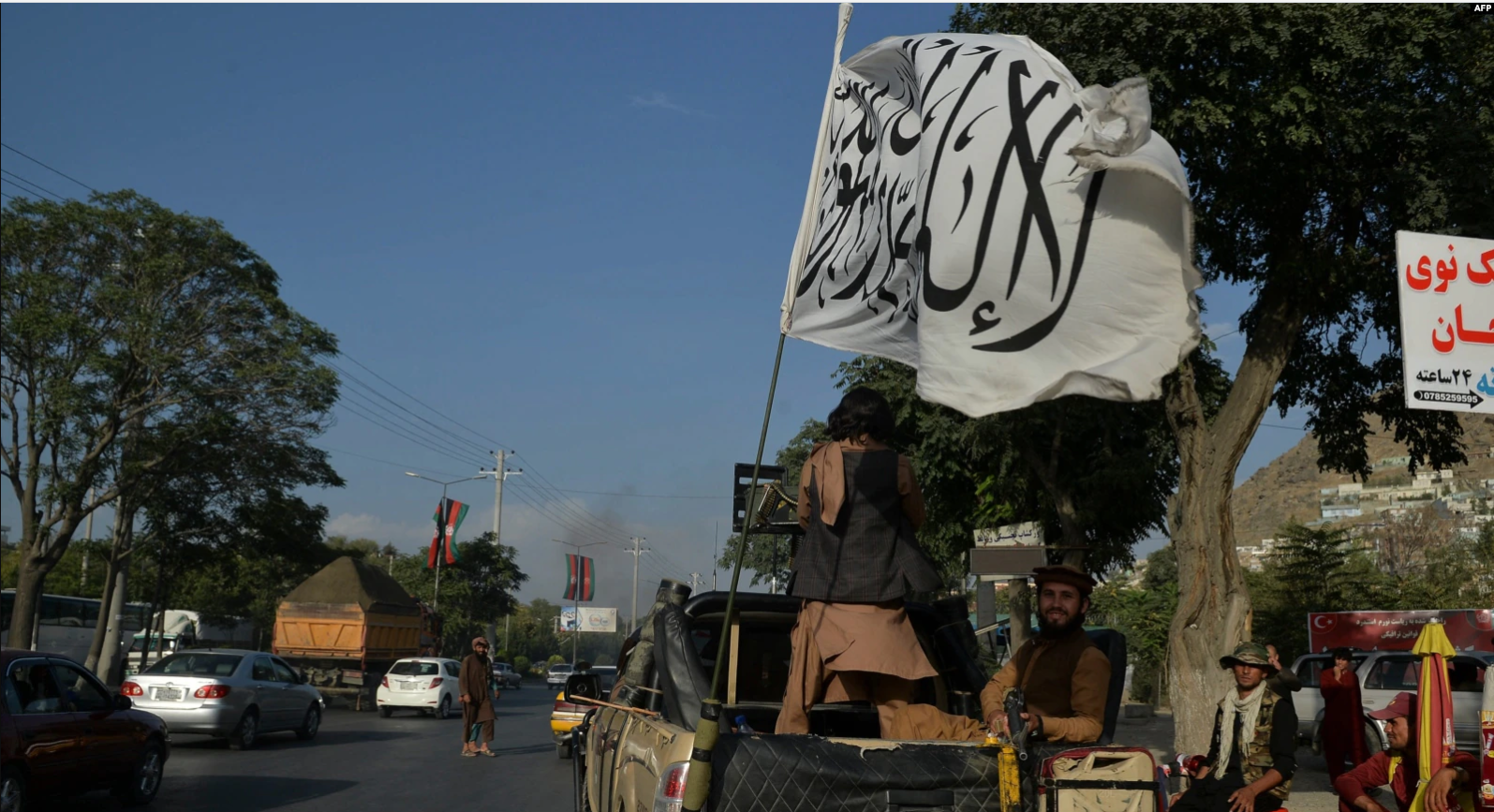
WASHINGTON: A year after the last U.S. troops left Kabul, there appears to be little consensus on whether the world, and the West in particular, is any safer from the terrorist groups that call Afghanistan home.
One of the most polarizing developments in the debate came on July 31 of this year, when a U.S. airstrike — the first in Afghanistan since U.S. forces departed on August 30, 2021 — targeted a safe house in downtown Kabul, killing al-Qaida terror group leader Ayman al-Zawahiri.
U.S. officials said al-Zawahiri had moved to the Afghan capital months earlier, residing in a house owned by members of the Taliban’s ruling coalition and that Taliban officials were aware he was there.
“The United States does not need a permanent troop presence on the ground in harm’s way to remain vigilant against terrorism threats or to remove the world’s most wanted terrorist from the battlefield,” White House National Security Council spokesperson Adrienne Watson wrote in a memo issued Monday.
A recently declassified U.S. intelligence assessment also downplays the threat from al-Qaida in Afghanistan.
Al-Qaida in particular “does not have a capability to launch attacks against the U.S. or its interests abroad from Afghanistan,” according to the assessment, which added that the group “has not reconstituted its presence in Afghanistan since the U.S. departure in August 2021.”
But there are skeptics of the view that al-Qaida has been diminished, including some U.S. lawmakers and former U.S. military and intelligence officials, who argue al-Zawahiri’s presence in Kabul should renew fears that the Taliban would fail to adhere to promises codified in the 2020 Doha agreement with the United States, including severing ties with al-Qaida.
And it is not just a potentially resurgent al-Qaida that has raised concerns among counterterrorism agencies around the world.
A U.N. report issued last month warned the Islamic State terror group affiliate in Afghanistan was expanding, and that IS core leadership now “views Afghanistan as a base for expansion in the wider region for the realization of its ‘great caliphate’ project.”
The same report argued that al-Qaida may be better positioned to emerge as the greatest long-term terror threat.
“I think we are on the same precipice of concern about state collapse that could lead to the rise or the empowerment of transnational terrorist organizations,” Republican Representative Peter Meijer said in prerecorded remarks Monday to the Center for Strategic and International Security, likening conditions in Afghanistan now to those that existed prior to the September 11, 2001, terror attacks in the United States.
“We have a vested interest today in making sure that Afghanistan does not collapse, that there is not an overwhelming humanitarian catastrophe that will only empower those who seek to do the West harm,” Meijer added.
And even U.S. intelligence officials have refused to rule out that al-Qaida, or IS, in particular, could one day move to strike the West.
Earlier assessments suggested that could happen in as little as six months to a year, but newer reports suggest it will still take both terror groups about a year to rebuild external attack capabilities, should they decide to do so.
Here is a look at the Taliban and the major terrorist organizations now operating in Afghanistan, and how they have fared in the year since U.S. and coalition forces left the country.
VOA






Comment