




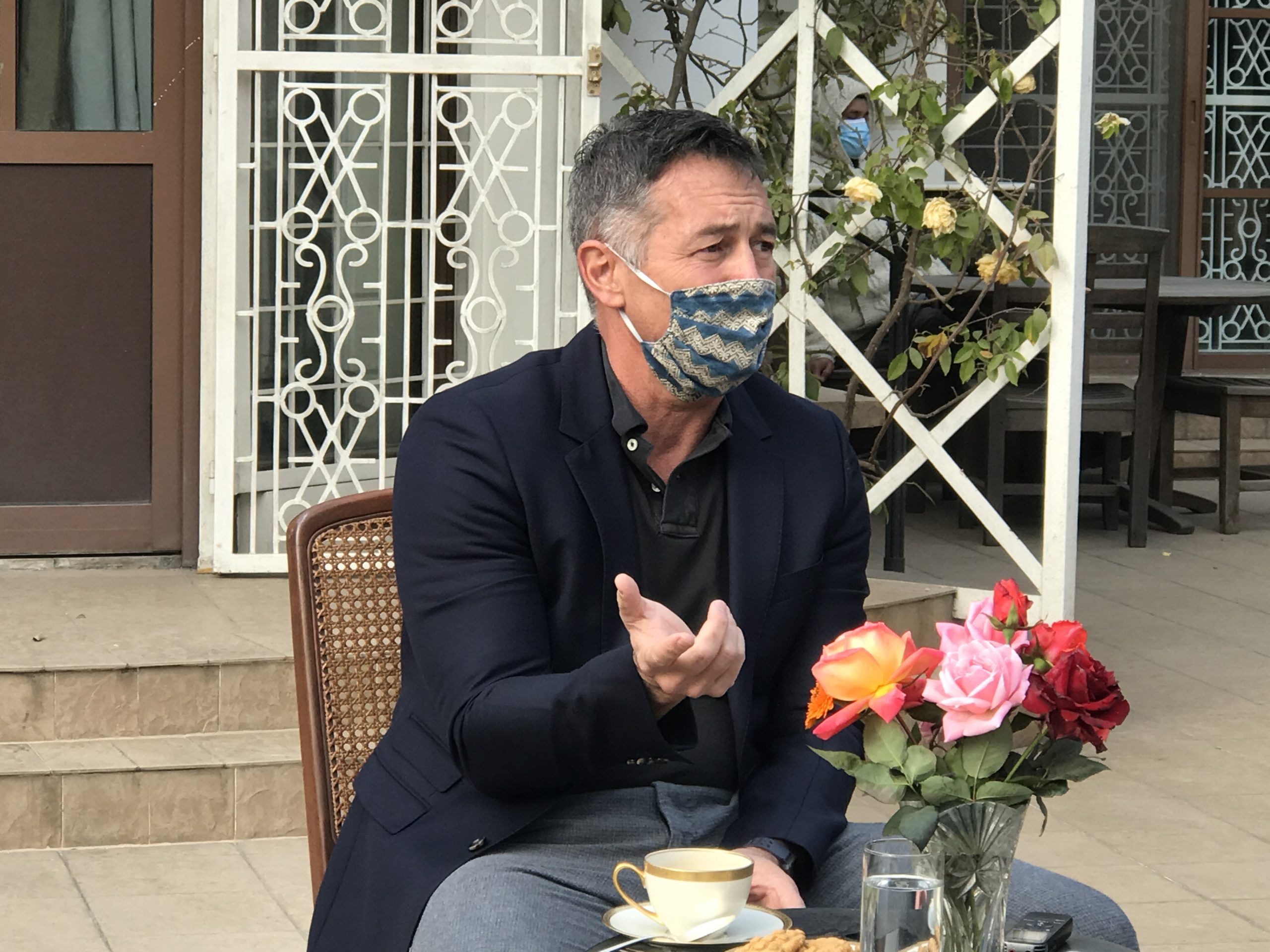
KATHMANDU: Refuting reports of “threatening Nepali leaders” on the issue of Millennium Challenge Corporation (MCC), the US Embassy in Nepal has said that the US has not issued any threats to Nepali leaders.
The statement comes amid reports that US Assistant Secretary of State for South and Central Asia Donald Lu “threatened” Nepal’s top leaders, including Prime Minister Sher Bahadur Deuba, Maoist Chairman Pushpa Kamal Dahal “Prachanda”, and leader of the opposition KP Oli to ratify MCC at the earliest “or face consequences”.
“It is false,” a statement issued by the US Embassy said on Monday, adding “But we are asking Nepal to follow through on its commitments.”
The statement further said whether the Nepali leaders ratify MCC is a decision for Nepal to make, as a sovereign democratic nation, and Nepal’s decision alone.
“After years of delays on following through on Nepal’s promise, we simply ask that ratifying the agreement be brought to a vote so the people, through their elected officials have their say,” the US Embassy has said.
Stating that the relationship between the United States and Nepal is broader than one agreement, the US Embassy said, “We have had discussions with Nepali leaders – but not in the way characterized by some press and online discourse.”
“As verifiable by public documents or statements, Nepali leaders understand that MCC will bring jobs and infrastructure to Nepal – it is why the government of Nepal asked us for an MCC Compact in the first place,” it added.
The Embassy further said, “Unfortunately, this development program has been mired in disinformation. This is disinformation about a program which is based on transparency, accountability, and democracy – who would be against that?”
Stating that this year marks the 75th year of ties between Nepal and the United States, the statement said that during these years, Nepal has seen monumental and incredible changes.
“We have stood with Nepal through these changes and supported the country with development aid, disaster response and preparedness assistance, health and education programs, and more. But in general, withdrawing from a signed bilateral agreement would have an impact on any two countries’ relationship,” it added.


Comment