




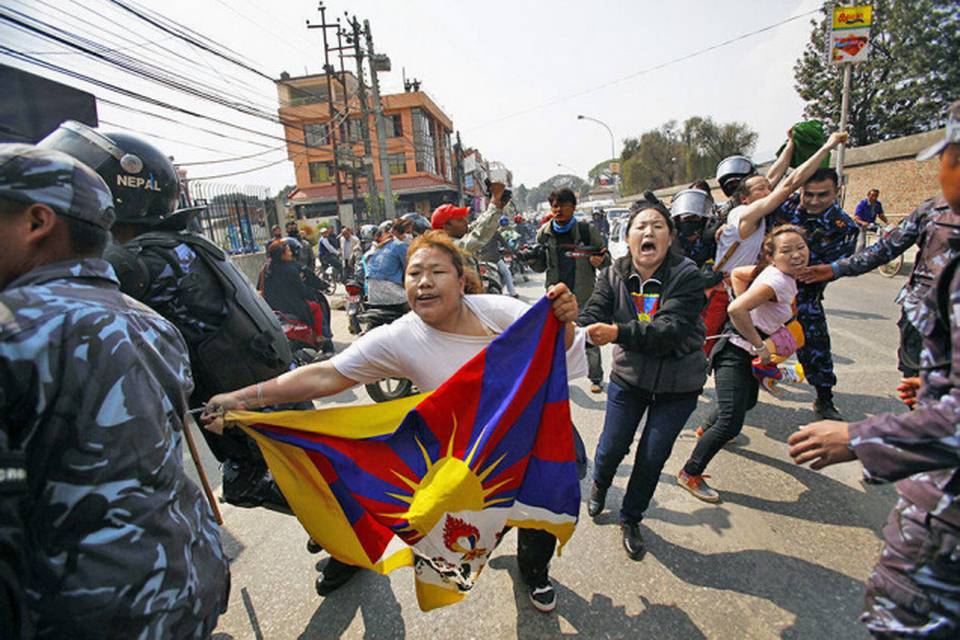
LHASA, TIBET: Cases of self-immolations have gone up in Tibet in recent times. Since 2009, a total of 159 Tibetans have self-immolated to protest China’s takeover of their homeland.
Tapey, a 24-year old Kirti monk, was the first monk to self-immolate on February 27, 2009, Tibet Press reported citing International Campaign for Tibet.
Cases of self-immolation have resurfaced after a 25-year-old popular Tibetan singer, Tseqang Norbu chose self-immolation in Lhasa on February 25, 2022. He died in the first week of March in a hospital. Another Tibetan, Tashi Phuntsok (Taphun) immolated himself on March 27 in front of the Public Security Bureau Office at Ngaba, Amdo Province. He later died in police custody, according to Tibet Press.
Earlier, the social, cultural, political, and ethnic grievances that led to the protests of 2008 included, severe restrictions on religious practices, forced denunciations of the Dalai Lama in the monasteries and throughout society, attempts to reshape Tibetan beliefs. These restrictions were imposed upon Tibetans in the name of “harmony”, “stability”, and “patriotism”, reshaping society and people’s lifestyles enforced through more stringent laws and restrictions.
Recently, bans were imposed on the study of the Tibetan language in favour of Mandarin Chinese as the primary language of instruction, an attempt to reshape the Tibetan linguistic and educational environment. The Chinese government is also trying to reshape the region’s demographics as it organized an influx of Han Chinese migrant workers into Tibet. However, the Chinese state calls these changes “development” and has completely overlooked the pervasive sense of concern about the preservation of Tibetan identity produced by these policies.
China has claimed that the 2008 protest was due to the reflection of the socio-economic challenges and contradictions facing China as a whole, according to Tibet Press. But, issues in Tibet are needed to be looked at in a broader framework, different from what China propagates. Self-immolation is an extreme act but also a means to highlight the opposition when no other peaceful means are available.
According to the publication, Self-immolations have become central to the Tibetan protest movement as an act to draw global attention to Chinese policies in Tibet more so in the complete absence of ‘freedom of speech and protest in Tibet’. (ANI)


Comment