




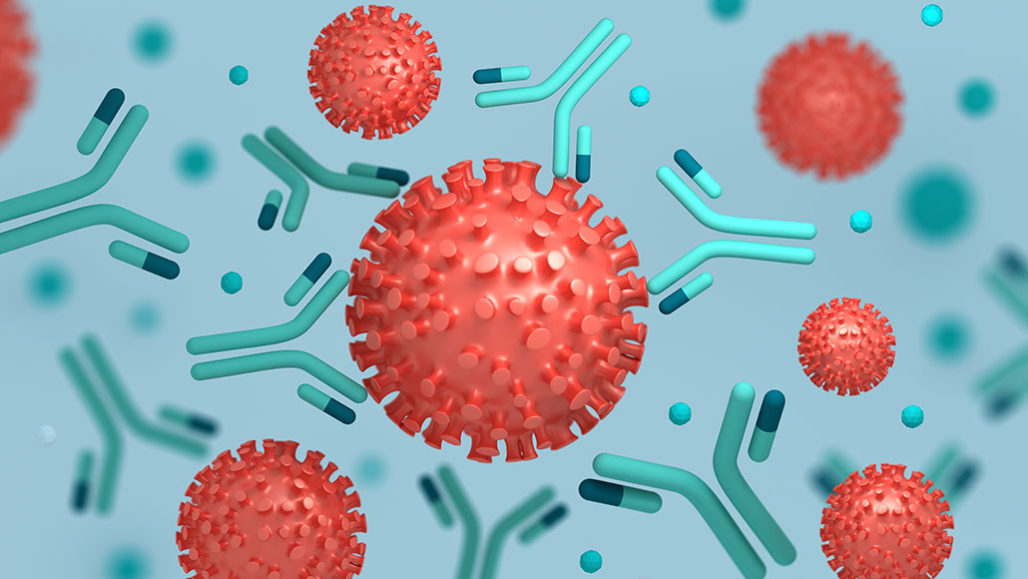
Germs vie to invade a human body and make one sick. However, a person’s immune system can assemble an army to protect his body.
This system is a person’s personal team of superheroes who are dedicated to keeping a person safe.
Antibodies are among the strongest ammunition. They are also called immunoglobulins, or Ig’s, these are a family of proteins.
The job of the antibodies is to locate and attack “foreign” proteins. Meaning, the proteins which do not appear to belong in the body.
The “foreign invaders” in the body contain substances that the human body doesn’t recognize.
Called as antigens, these can be parts of viruses, bacteria, or other microbes.
Other things, including pollen that cause allergies, too, can have antigens. If a person is given blood that doesn’t match his/her blood type (during surgery), then those blood cells can host antigens.
Antigens even attach to the outside of white blood cells. These cells are called B cells (short for B lymphocytes).
The antigen’s binding will lead the B cells to divide causing them to transform into plasma cells.
The plasma cells then secrete millions of antibodies, which travel through the body’s blood and lymph systems. They then start hunting for the source of the antigens.
There are four main types of antibodies with each having a different job:
IgM antibodies are formed as soon as the immune cells recognize an antigen. These are the first to go to the site of infection and give protection. They, in fact, do not hang around long. They, instead, trigger the body to make a new type: IgG antibodies.
IgG antibodies that stick around are the ones that circulate in the blood and continue to fight off the infection.
IgA antibodies are particularly found in body fluids, such as saliva, sweat, and tears. They seize antigens to stop invaders before they cause illness.
IgE antibodies are mainly stimulated by allergens or antigens.
IgE antibodies act quickly as they trigger the immune system to go into what Fuller calls “turbo-charge” mode.
This is because why noses run or skin itches when one have an allergic reaction.






Comment