




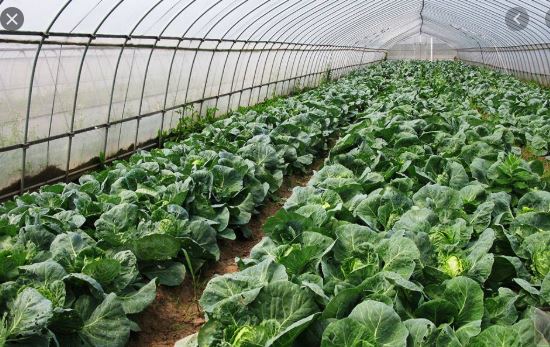
KATHMANDU: Leaders of agriculture sector have expressed concern over the government’s recent decision of opening up conditional foreign direct investment in agriculture.
Chiefs and representatives of Dairy Industry Association, Nepal Dairy Association, Central Milk Cooperatives’ Association, Fish Keepers’ Association and Central Livestock Farmers’ Association made this remark at a press conference organized in Kathmandu today.
It may be noted that a meeting of the Council of Ministers on January 4 had decided to open inflow of foreign direct investment in the businesses related to dairy, livestock and fishery, bee keeping, fruit framing, vegetable and primary agriculture production.
Organizing the press conference following the publication of the government’s decision allowing FDI in agriculture, the frontline leaders of the sector asserted that the foreign investment should be boycotted.
Earlier, several practices were also made to bring in foreign investment in agriculture sector through different channels. A meeting of the House of Representatives on 18 March 2019 had passed the bill to that end with amendment while the National Assembly meeting later endorsed the bill with further amendments.
The Industry and Commerce and Labor and Consumer Welfare Committee of the HoR had directed the government not to open up FDI in agriculture sector.
The stakeholders protested against the government’s decision to invite FDI in agriculture through ordinance in the context when the House was dissolved.
On the occasion, Dairy Association chairperson Raj Kumar Dahal, Nepal Dairy Association’s general secretary Radha Krishna Sapkota, Central Milk Dairy Association treasurer Krishna Prasad Sapkota and central livestock farmers’ association chair Baburam Adhikari among others protested the government’s move as ‘a non-transparent decision’ having long-term effect in agro farming in Nepal.
Nepali entrepreneurs have channelized their investment of Rs 85 billion in agriculture production. It includes Rs 4 billion in bee-keeping, Rs 11 billion in fishery, Rs 30 billion in dairy industry and Rs 40 billion in poultry business. The agro sector has provided employment opportunities to 1.5 million people, according to information shared at the program.





Comment