




KATHMANDU: Research shows that 17 percent of the population is pushed below the poverty line due to the expenses in medical treatment.
Several citizens have turned penniless spending in treatment of long-term diseases as cancer which cost a huge amount and also due to the low investment of the state in the health sector and the poor access to health care services.
Presenting the research results in the meeting of the House of Representatives, Sustainable Development and Good Governance Committee today, Prof Dr Shyam Prasad Lohani shared that 17 percent of people worldwide are pushed into the cycle of poverty due to the investment made for medical treatment.
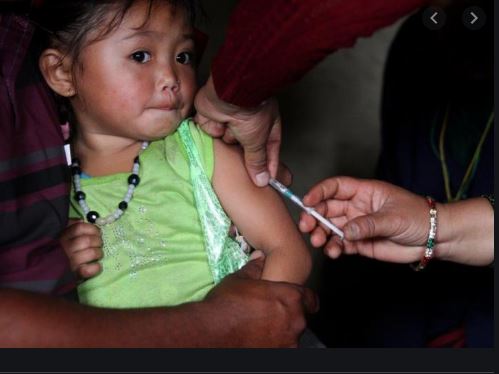
He stressed that in this backdrop nations should scale up investment in the health sector along with the infrastructure sectors. According to him, investment in health, nutrition, and immunization would produce more than 16 times the results in the future.
The meeting was informed that 55 percent of citizens have been making personal expenditures on health treatment.
Meanwhile, it was informed that not only the per capita income declined due to the contraction in employment and the adverse impact on education and health but the regular programs of the health sector related to the Sustainable Development Goals (SDGs) too have been affected due to the COVID-19 pandemic.
It is said reducing the infant, child and maternal mortality rate, as well as the problem of malnutrition, attaining full immunization, and increasing the access of all to health, have become challenging towards the attainment of the SDGs.
Incidences like the low rate of delivery at health facilities and the occurrence of epidemics like cholera have been seen as the existing problems in the health sector.
“The outcome of the investment made in the health sector is good. It’s like a rupee spent on a helmet saving Rs 13 in terms of protecting the life of the bike rider,” Prof Dr Lohani said.
He shared that the Gorkha Earthquake, the border blockade, and the COVID-19 pandemic have adversely affected the progress towards accomplishing the health-related SDGs.
A study report shared on the occasion showed that 38 percent of human resources working in the health sector have been facing problems like mental stress, depression, and insomnia due to the COVID-19 pandemic.






Comment