




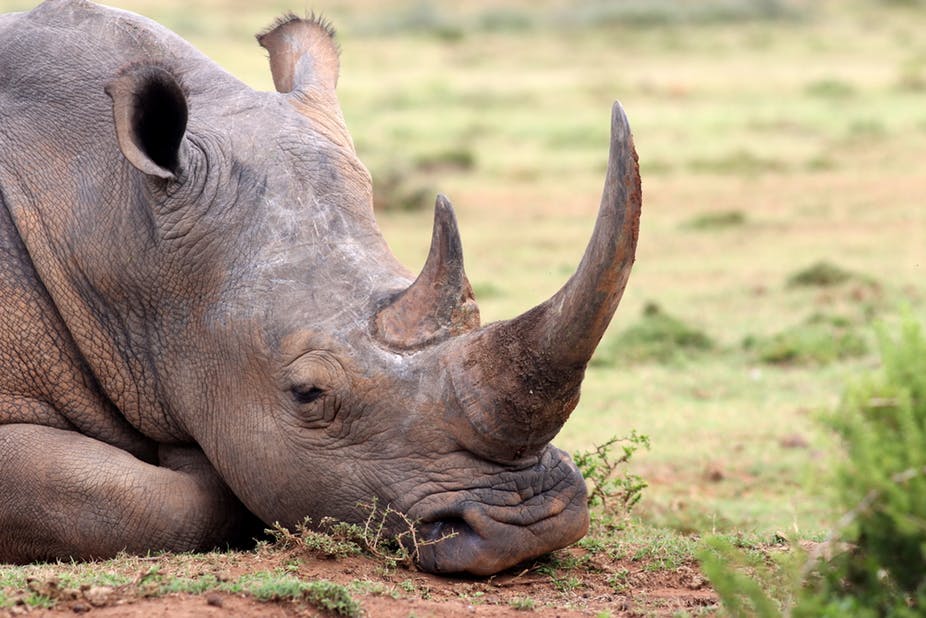
KANCHANPUR: The population of the one-horned rhino has increased at the Shuklaphanta National Park in Kanchanpur district.
The one-horned rhino is in the list of rare and endangered species of wildlife.
The number of this mammal has increased from nine to 17. Four of these animals were originally brought here from Chitwan National Park in 2000 and five more in 2017.
Rhino population at Shuklaphanta National Park has increased with the protection and expansion of the habitat. Similarly, robust protection measures against poachers are attributed to the increase in the population of the one-horned rhino here.
Presently, there are 10 male, five female and two calves of one-horned rhino at the national park, the Park chief conservation officer Laxman Poudyal said.
According to him, the rhinos are given round-the-clock protection and cameras have been installed at areas where there is high risk of poaching taking place.
The one-horned rhino is found only in Nepal and India. Its horn is 20.5 centimetres to 100 centimetres long. The average weight of an adult rhino is more than 200 kilogrammes.
Its pregnancy period is 16 to 18 months. The average age of the one-horned rhino is 40 to 50 years. It can run at a speed of 55 kilometres per hour.






Comment