




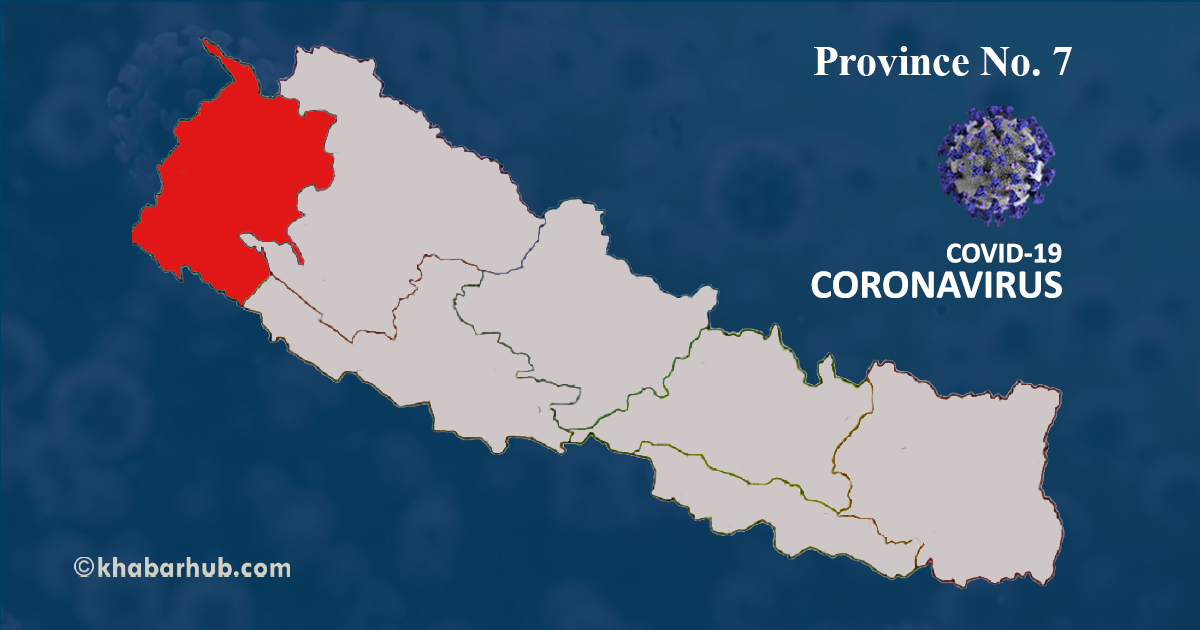
DHANGADI: Sudurpaschim State has witnessed growing food insecurity due to adverse effect of COVID-19.
A study has shown that the food insecurity index has further slid to 23 notches from 15. As per the fiscal year 2073/074 BS, the food insecurity was at 15 notches.
A program organized by the State Ministry of Land Management, Agriculture and Cooperatives revealed that study finding that due to COVID-19 crisis, three out of ten houses have witnessed declined in their income in the state.
Similarly, regular income of 11 percent of workers involved in agriculture and 25 percent of those involved in non-agriculture sector have been obstructed.
The study was conducted by the World Food Program in coordination with the government. Director of Youth Group for Change, Dabal Bam, said although Sudurpaschim was safe in terms of foods, people in some districts still had no access to food. The Group works for citizen’s rights to food.
The report stated that among 2.5 million populations in Sudurpaschim State, 1.6 million people have no access to food, which clear indicates the food insecurity. The people from Dalit, free-Haliya, HIV infected single women, Raute, small farmers, Badi, Sona communities and those working in the informal sector were facing severe food crisis. Even those suffering disaster were facing this problem.
Director Bam further said, “Source of income generation has badly impacted by the COVID-19. People from Bajura, Bajhang, Baitadi and Darchula districts are in high risk. Although the families are seeking loan to escape the food crisis, they are not getting support from any side.”
However, two districts in the southern belt of the State- Kailali and Kanchanpur- have adequate food stock. Production in these districts recovers the scarcity in the hilly and mountainous districts.
At the program, Minister for Land Management, Agriculture and Cooperatives, Binita Devi Chaudhary, has however said the government had prioritized agriculture.
The programs of agricultural development were given special attention where farmers would get opportunity to become self-reliant.
“Time has come to adopt commercial farming by quitting the subsistence agriculture,” she said, adding that nutritious and food security are equally important. RSS





Comment