




Coronavirus disease (COVID-19) is a transmissible infectious disease caused by a newly discovered coronavirus.
Most people infected with the COVID-19 virus will undergo light to moderate respiratory illness and recover without requiring special treatment.
Elderly people and those with underlying medical problems like cardiovascular disease, diabetes, chronic respiratory disease, and cancer are more likely to develop serious illnesses.
The best way to slow down transmission is to be well informed about the COVID-19 virus, the disease it causes, and how it spreads as there is no cure available yet in most countries.
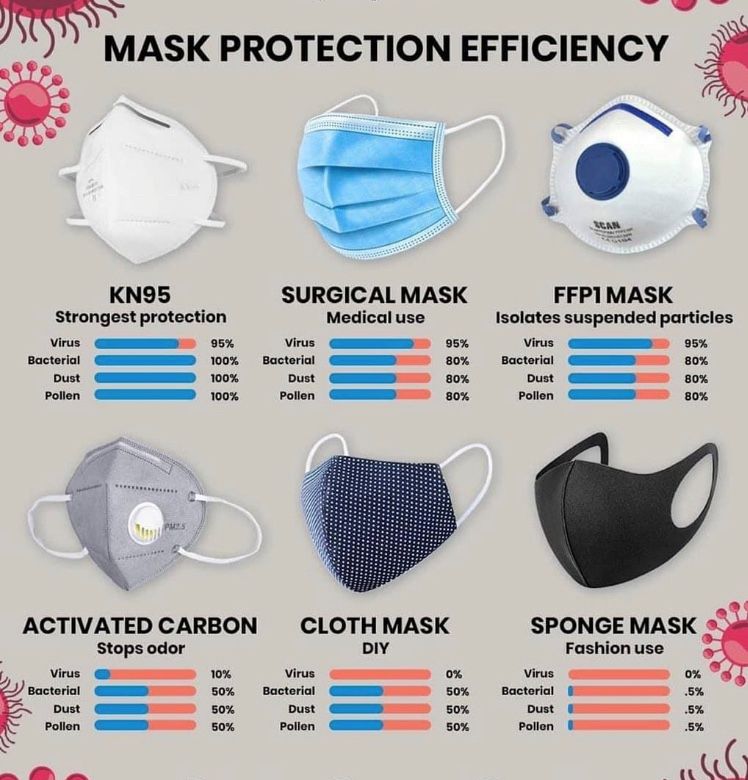
Protect yourself and others from infection by washing your hands, wearing a mask, maintaining distance (at least 2 meters), and not touching your face.
The COVID-19 virus spreads primarily through droplets of saliva or discharge from the nose when an infected person coughs or sneezes, so it’s important that you also practice respiratory manners (for example, by coughing into a flexed elbow).
There are no specific vaccines or treatments for COVID-19. However, many ongoing clinical trials are evaluating potential treatments.
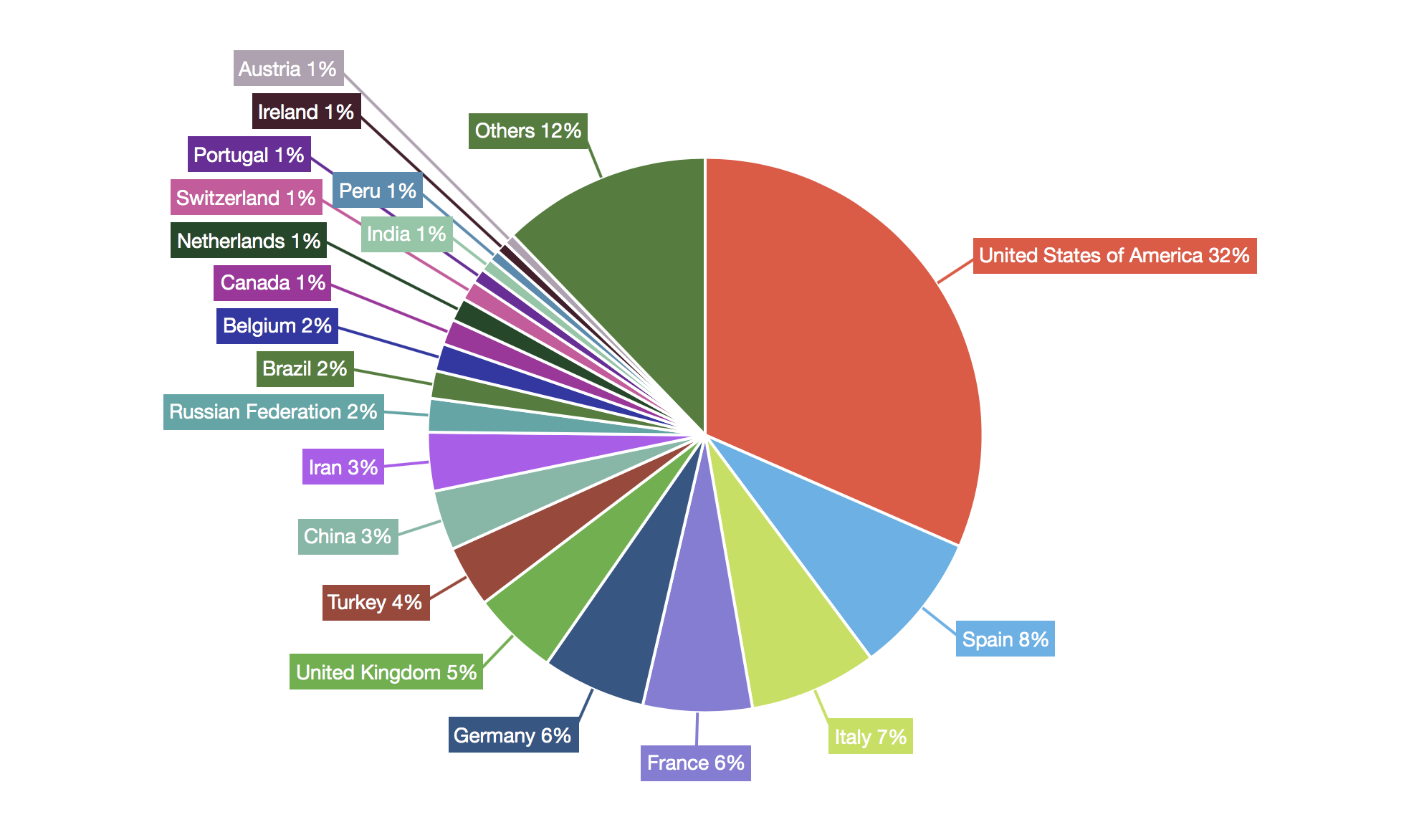
WHO will continue to provide updated information as soon as clinical findings become available. The present global situation has 26,468,031 confirmed cases and 871,166 deaths as recorded by the World Health Organization.
The government should be responsible to inform its citizens about the disease taking necessary precautions. Coronavirus has spread because the government was late to give a quick response and its citizens were unable to follow the rules in time.
In many countries, the lockdown has lifted even though there are still cases lingering around in each of these countries.
Medical scientists have said that the ministers are rushing to lift the lockdown. Lifting the lockdown while there are still cases without preparations will only make the situation worse causing the virus to spread more.
Some countries have already started to develop vaccine. Here are some of them:
- Inovio, United States of America (Phase I/II)
- Oslo University Hospital, Norway
- Moderna, United States of America (Phase III)
- CureVac, Germany (Phase I)
- Institut Pasteur/Merck/Themis, France/ United States of America /Austria (Preclinical)
- AstraZeneca/University of Oxford, United Kingdom of Great Britain and Northern Ireland (Phase III)
- University of Hong Kong, China (Preclinical)
- Novavax, United States of America (Phase I/II)
- Clover Biopharmaceuticals, China (Phase I)
- University of Queensland/CSL, Australia (Phase I)
The phase explains the progress of making the vaccine. Meanwhile, Russia has become the first country in the world to grant regulatory approval to a COVID-19 vaccine after less than two months of human testing, Russian President Vladimir Putin claimed on Tuesday.
RT-PCR is a reverse-transcription polymerase chain reaction test. The accuracy of this device ranges between 70-90% which is pretty accurate but is not advised to be entirely dependent on it as it may show wrong calculations.
It works by detecting viral RNA in a person’s cells – most often collected from their nose or saliva from the mouth.
The results given by RT-PCR is used only for research purposes. Even though the test is not 100% accurate, this is the most common diagnostic test used to identify people currently infected with the virus.
Plant species have long been used as principal ingredients of traditional medicine in Nepal. Medicinal plants are inseparable from local livelihoods because they have long been collected, consumed, and managed through local customs and knowledge.
However, traditional therapies are currently declining due to changing lifestyles, perceptions, social transformations, and acculturation.
Certain herbs used in Nepal since long ago have proven to boost immunity against many diseases. America and Europe with other countries are starting to follow this method. These medicinal herbs are:
- Giloy (Gurjo)
- Ginger (Aduwa)
- Turmeric (Besar)
- Onion (Lasun)
- Thyme seeds (Jwano)
- Malabar nut (Asuro)
- Holy Basil (Tulsi)
- Gooseberry (Amala)
- Cinnamon (Dalchini)
- Coriander (Dhaniya)
- Sichuan pepper (Timur)
Nepal is also rich in caterpillar fungus (Yarsagumba / Jeevanbuti) which is a powerful, very expensive, and popular medicine.
Cordyceps is also known as the caterpillar fungus because it is a parasitic organism that grows on a rare caterpillar until the caterpillar dies and the mushroom sprouts from the caterpillar’s head.
Cordyceps Sinensis is the only species of this genus found in Nepal. Its Nepali name is Yarshagunba. Yarsagumba is a parasitic, annual, non chlorophyllous fungus.
The structure of this species comes from the anterior head of the larva of a caterpillar. Yartshagumba has two components the lower part is a dead caterpillar and the upper part is a fungus.
The fungus has a small spike with dark brown fructification and a yellowish-white stalk. The size of the fungus is about 4 to 12 cm in length and 0.14 to 0.4 cm in size.
The meaning of Yarsagumba is ‘summer-grass winter-worm’ in the Tibetan language. Cordyceps Sinensis grows in the meadows above 3,500 meters (11,483 feet) in the Himalayan region of Nepal.
It is mainly found above the snowline in Dolpa, Jumla, Humla, Kalikot, Baglung, Mustang, Manang, and Rasuwa districts of western and central Nepal.
Since it is a natural product, the chances of any side effects are minimal. Benefits of Yarsagumba are as follows:
- Antioxidant activity
- Improves functioning of the liver
- Used by Athletes
- Anti-tumor activity
- Anti-diabetic activity
- Hypoglycemic and anti-depressant effect
- Anti-aging benefits
- Memory power
- Treats Respiratory and pulmonary diseases
- Used in treating heart problems
Medicinal plants are very important to human beings in preserving our health. To date, 25% of modern medicines are derived from plants that have been used by traditional medical practitioners.
Yarsagumba is a very rare mushroom has a long history as a medicinal plant with diverse healing applications, also used in many different countries.
Yarsagumba is said to be the most expensive herb in the world today, a kilo of it fetching more than 10,000 dollars in the international market.
In conclusion, keep yourself updated and educate others about the virus to follow rules which help prevent the spread of the virus. Protect yourself, protect others.






Comment