




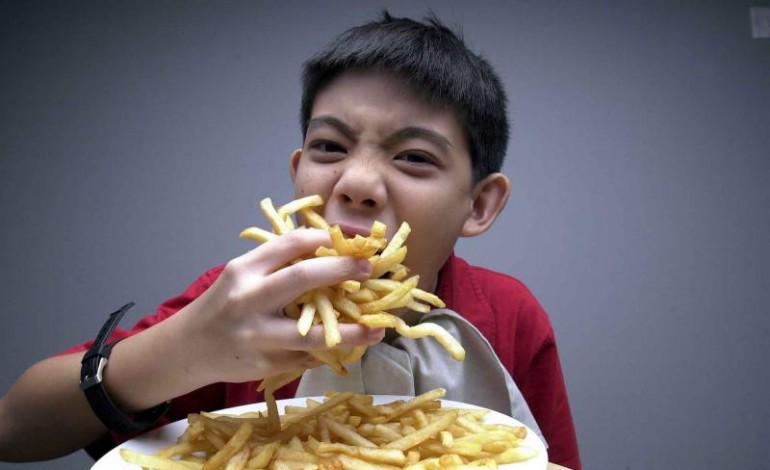
Your teenage daughter, who has been working very hard for a major exam, receives her result and is very disappointed with it. Later that day, she brings several packs of potato chips into her room. She laments: “I feel so bad about my result. I want to eat all of this.”
Sounds familiar?
It may be a case of emotional eating, where a person increases food intake in response to, or as a way to, soothe certain feelings, especially negative ones like stress, tension, sadness, boredom, loneliness or anxiety.
Emotional eating occurs when people eat not to satisfy hunger, but for comfort; hence the term “comfort food”.
This can lead to an unhealthy cycle, where negative emotions trigger eating, which provides temporary relief or comfort, but then the person starts feeling bad or guilty for overeating, which, in turn, triggers more eating to relieve their negative feelings.
This can become a habit that continues into adulthood, which increases risks for health-related problems such as obesity, diabetes and hypertension.
There are also studies linking emotional eating with poor cognitive performance, particularly in obese adolescents.
Physical or emotional hunger?
When you are under stress, your body produces more cortisol and this can lead to increased appetite, causing emotional hunger.
Eating sugar and carbohydrates can also trigger the release of dopamine, which is why you feel “comforted” by binge-eating.
It can be difficult to differentiate emotional hunger from actual physical hunger. Here are a few pointers:
Physical hunger
• Comes on gradually and can be postponed.
• Can be satisfied with any type or quantity of foods.
• Likely to stop eating when full.
• Doesn’t cause feelings of guilt.
Emotional hunger
• Feels sudden and urgent.
• Causes very specific cravings, e.g. for pizza, ice cream, fries, etc.
• Tend to eat more than normal.
• Can cause guilt afterwards.
Controlling emotional eating
No one is 100% free from emotional eating. There are times when even you as an adult will surrender to your cravings after a hard day at work.
Your teenage kids tend to give in more easily to their emotional hunger due to the changes in their hormones from puberty.
However, there are ways we can control this tendency from becoming a habit:
• Check hunger.
Ask if she is really hungry or if it is just emotional hunger?
If she just had a lunch an hour ago and her stomach is not rumbling, it may be just a craving.
Give it time to go away by doing other activities or drinking water.
Refer to the signs above to help differentiate physical and emotional hunger.
• Manage stress.
Emotional eating is mainly caused by stress. Find the source and solve it.
Reduce stress by meditating, exercising regularly and getting enough sleep.
• Tackle boredom.
Simply being bored can also lead to munching.
Instead of grabbing a snack when bored, advise her to go for a walk, listen to music, read a book or indulge in a hobby.
Find a replacement activity to escape emotional eating.
• Avoid temptation.
Do not keep her favourite comfort food at home.
Delay the trip to the grocery store if she is feeling angry, sad or frustrated.
• Choose healthy snacks.
Replace her usual comfort food with low-calorie snacks, or pick a healthier version such as fruits or whole-grain unsalted chips.
• Food journal.
Ask her to keep a record of her eating habit, i.e. what, when and how much she eats, as well as her mood when eating.
Over time, she will start to see links between food and mood, and this can help her make better choices.
• Be an example.
Remember that you are the role model of your children. They learn your habits through observation.
If they see you eating ice cream whenever you are sad, they may develop the same habit when they are older.
• Don’t reward them with food.
If you give cookies to stop your children from crying, they may start to associate cookies with comfort.
Avoid rewarding or disciplining them using food as they may “learn” emotional eating as they grow up.
The trouble with emotional eating is that once the pleasure of eating is gone, the feelings that cause it remain.
Don’t be afraid to seek expert help if the problem becomes worse.
Nutritionists can help identify eating patterns and get your teen on track with a better diet, and therapists can help them deal with their sources of stress or depression.
Take control of your family’s diet today!
Source: Star 2






Comment